Writing
Insights on AI, automation, and product engineering for modern businesses.
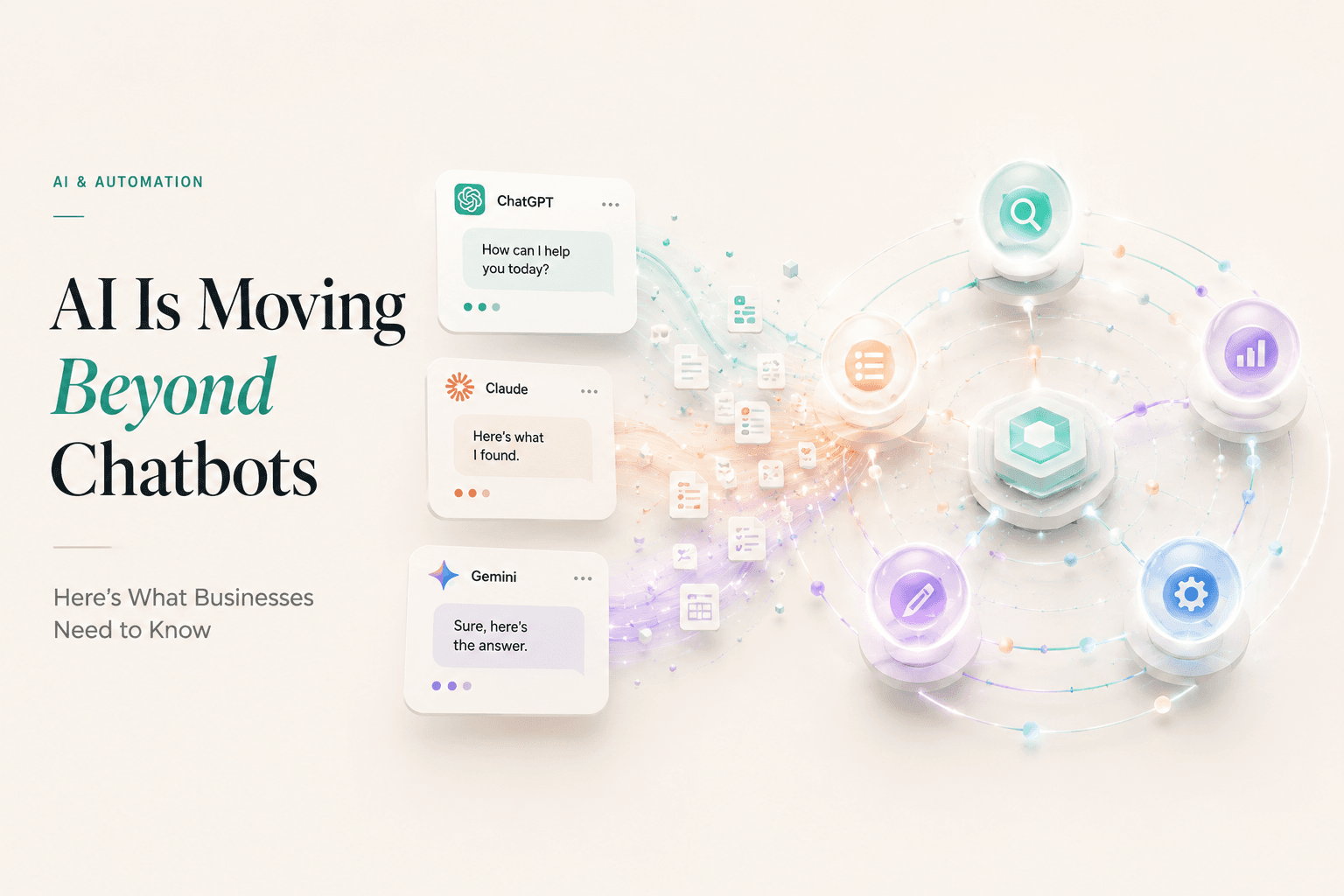
AI Is Moving Beyond Chatbots. Here's What Businesses Need to Know
Most people still think of AI as a chatbot that answers questions. But that's changing. The newest generation of AI can do much more than write content or answer prompts. Businesses are now using AI to help manage tasks, organize information, support customers, prepare reports, and handle repetitive work that normally takes employees hours each week.
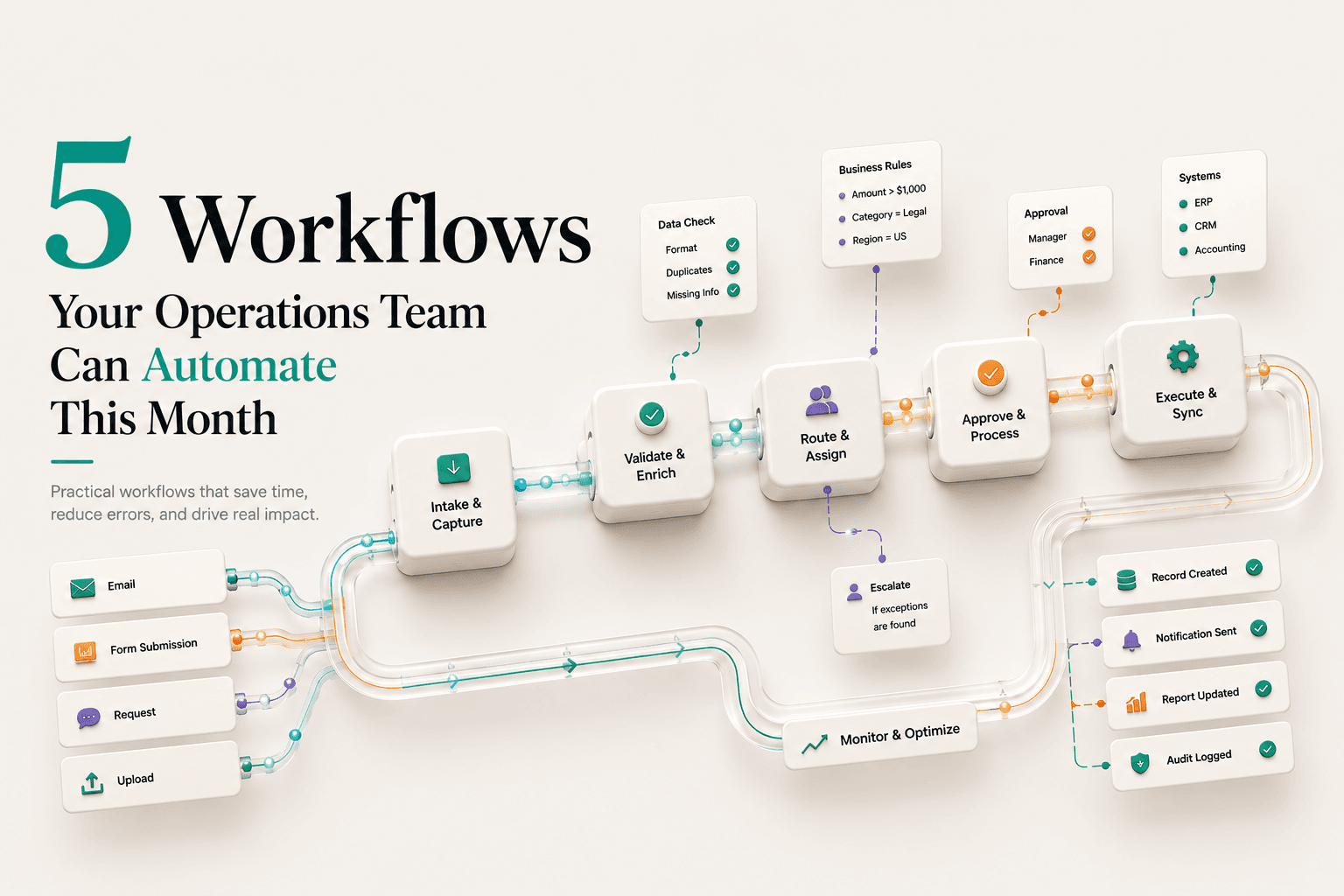
5 Workflows Your Operations Team Can Automate This Month
Operations teams don't need to wait for the perfect AI strategy. You already have bottlenecks that are easy to fix. Invoice routing. Expense categorization. Payment reconciliation. Report generation. Customer feedback sorting. These are practical automation use cases many teams are already implementing. The question is whether you fix them now or keep burning team hours on manual work.
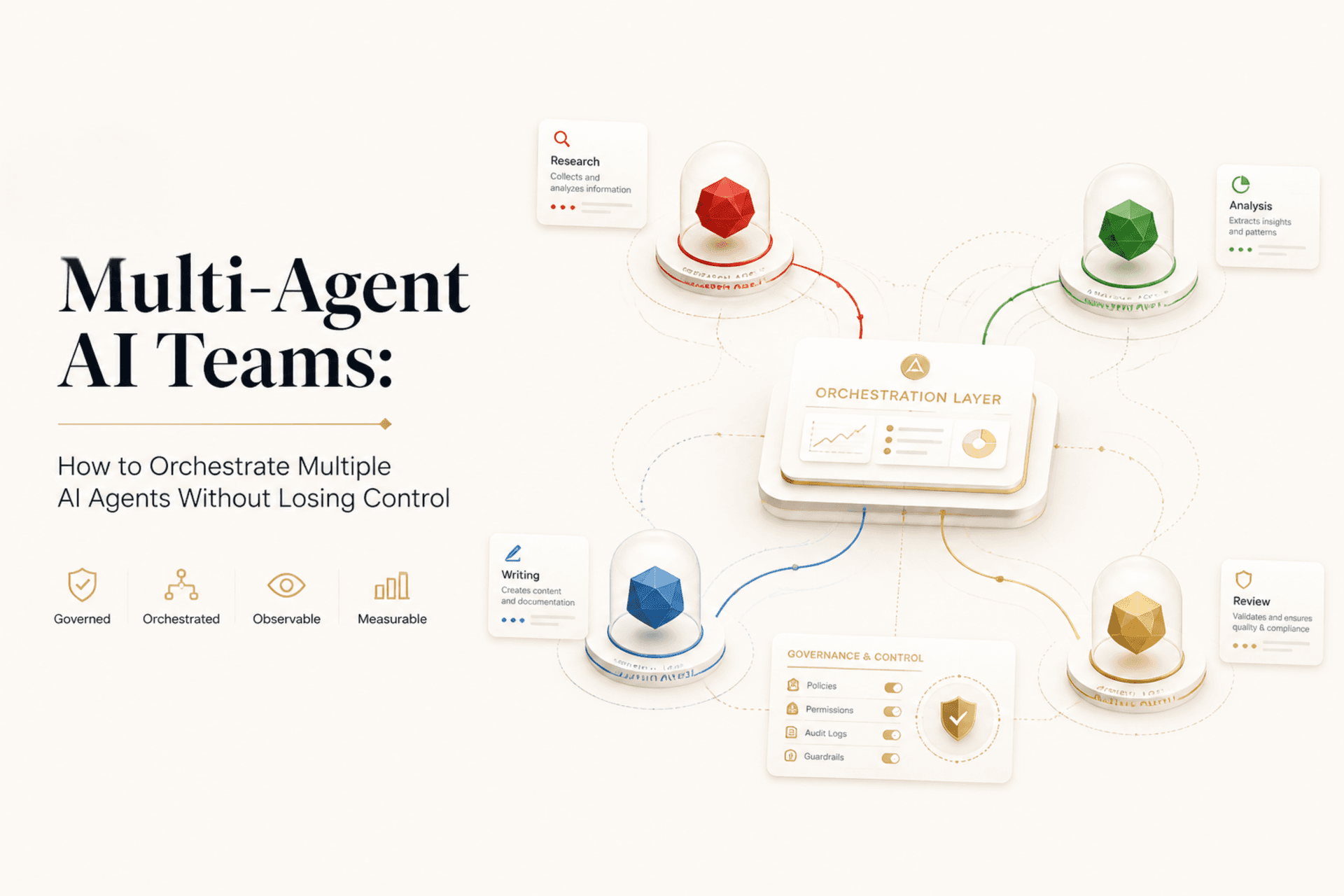
Multi-Agent AI Teams: How to Orchestrate Multiple AI Agents Without Losing Control
A single AI agent trying to handle everything is like hiring one generalist to do the job of an accountant, a lawyer, a data analyst, and a customer success manager simultaneously. The answer is not a better single agent, but a team of specialized, accountable agents coordinated by an orchestration layer that keeps the whole system from going off the rails.
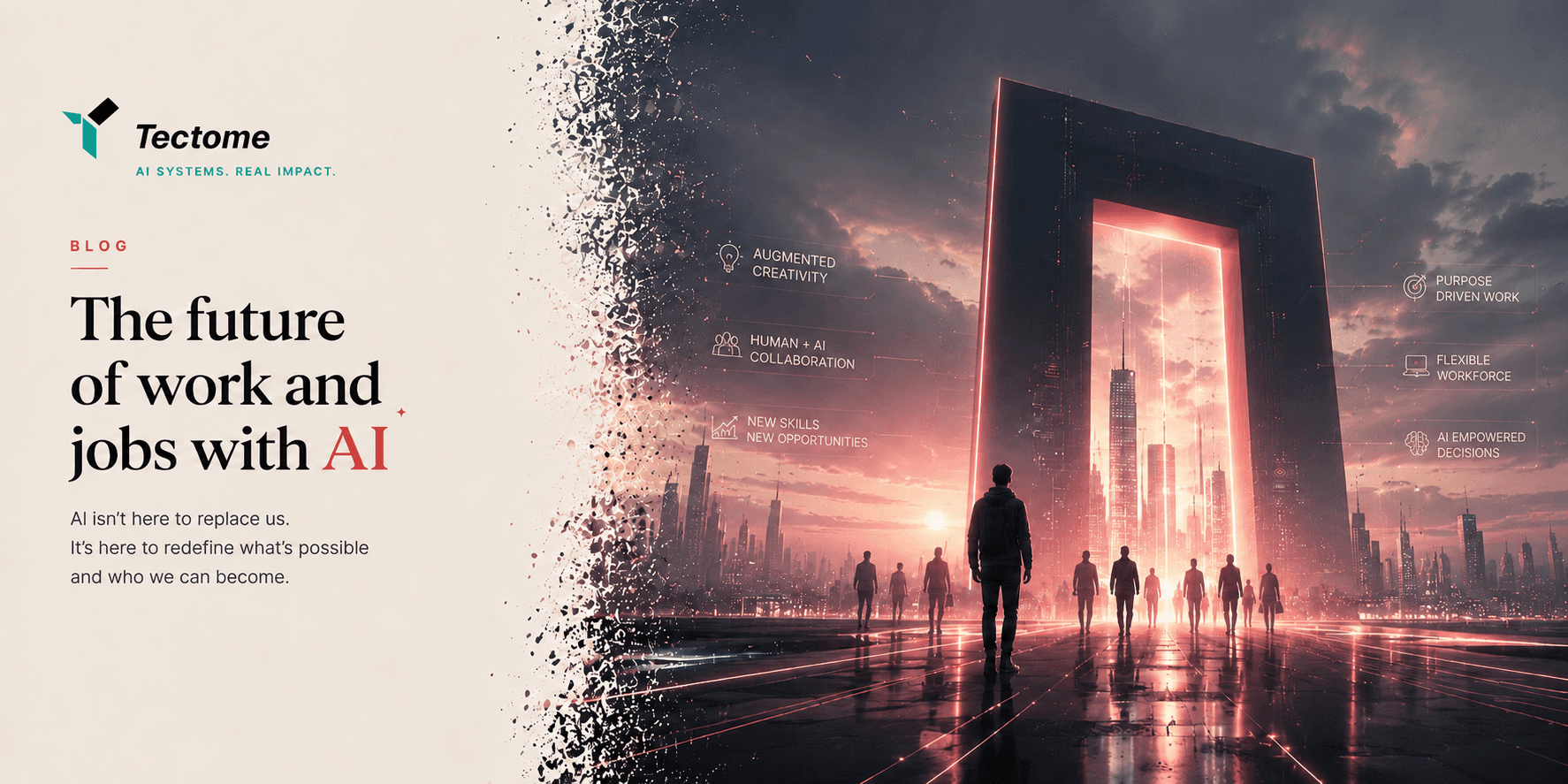
The Future of Work and Jobs with AI in 2026
The question used to be: will AI take my job? In 2026 the focus is on which parts of work are changing, new AI‑created roles, and how a day looks when AI is embedded in every tool.
We Gave OpenClaw Our Repetitive Workflows for 30 Days - Here's What Happened
We tested OpenClaw on 5 real business workflows for 30 days. An honest account of what worked, what broke, and whether it's worth your time right now.
How AI is rewriting the rules of the video industry in 2026
Two years ago, producing a high-quality brand video meant hiring a director, camera crew, editors, lighting teams, and renting locations for days at a time. Production timelines stretched across weeks. Revisions meant reshoots. That production model is changing fast. AI video has moved beyond experimental clips and novelty demos into something far more practical: a production layer that brands, agencies, and creative teams are already using in real workflows.
How Anthropic Is Quietly Rewriting the Rules of Tech in 2026
Every few years, a company does something that forces the rest of the industry to change how it thinks. Not just a better product a different category entirely. Apple did it with the iPhone. Salesforce did it with cloud software. In 2026, Anthropic is doing it with AI.
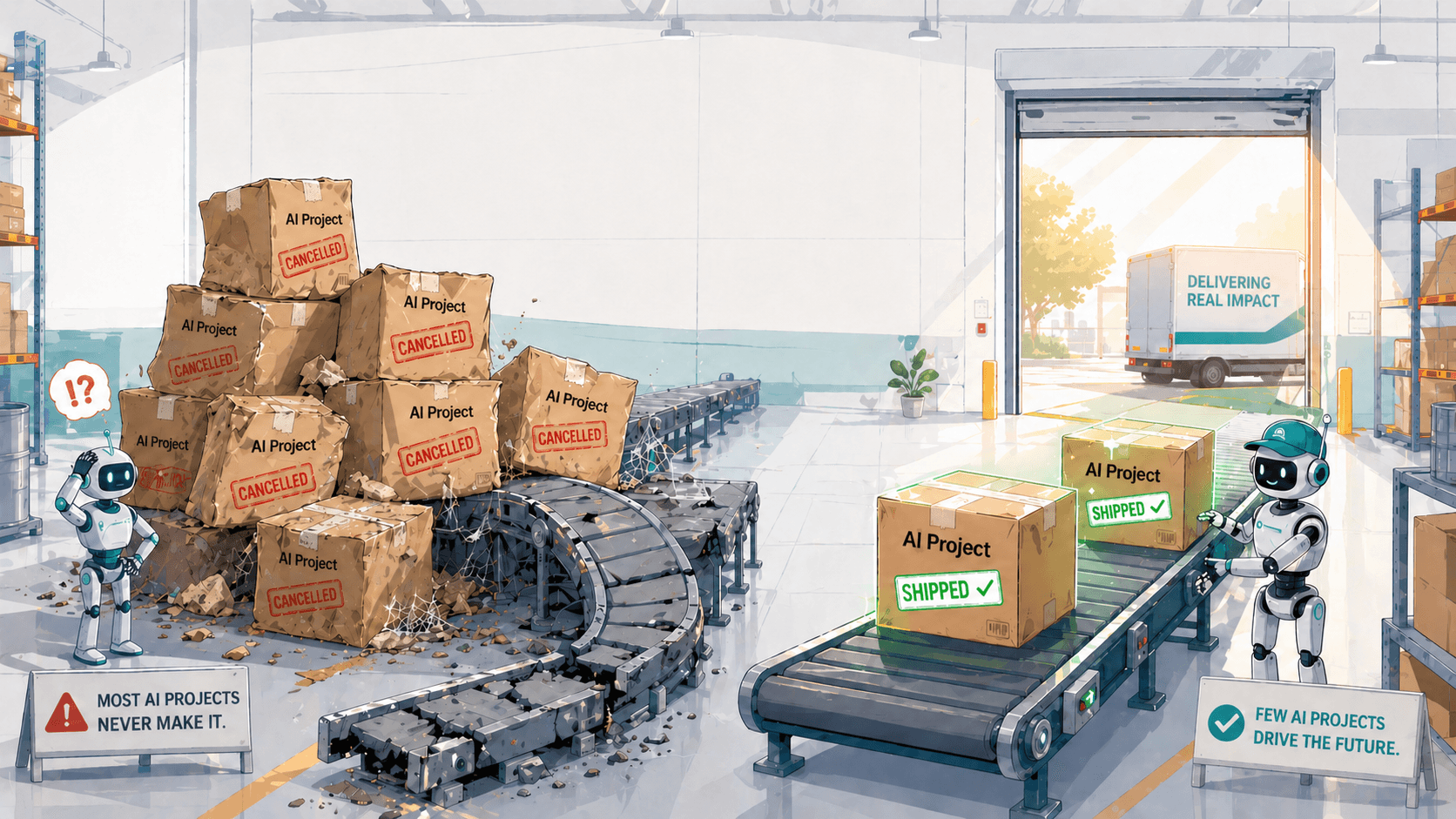
Why 80% of AI Projects Fail Before They Ship (and How to Avoid It)
The “80% failure rate” for AI projects gets quoted so often it’s become background noise. Teams nod along, add it to a deck, and then proceed to make the same avoidable mistakes. These failures aren’t random. They cluster around a small set of predictable patterns and most of them have far less to do with model choice than with how the organization approaches the work.
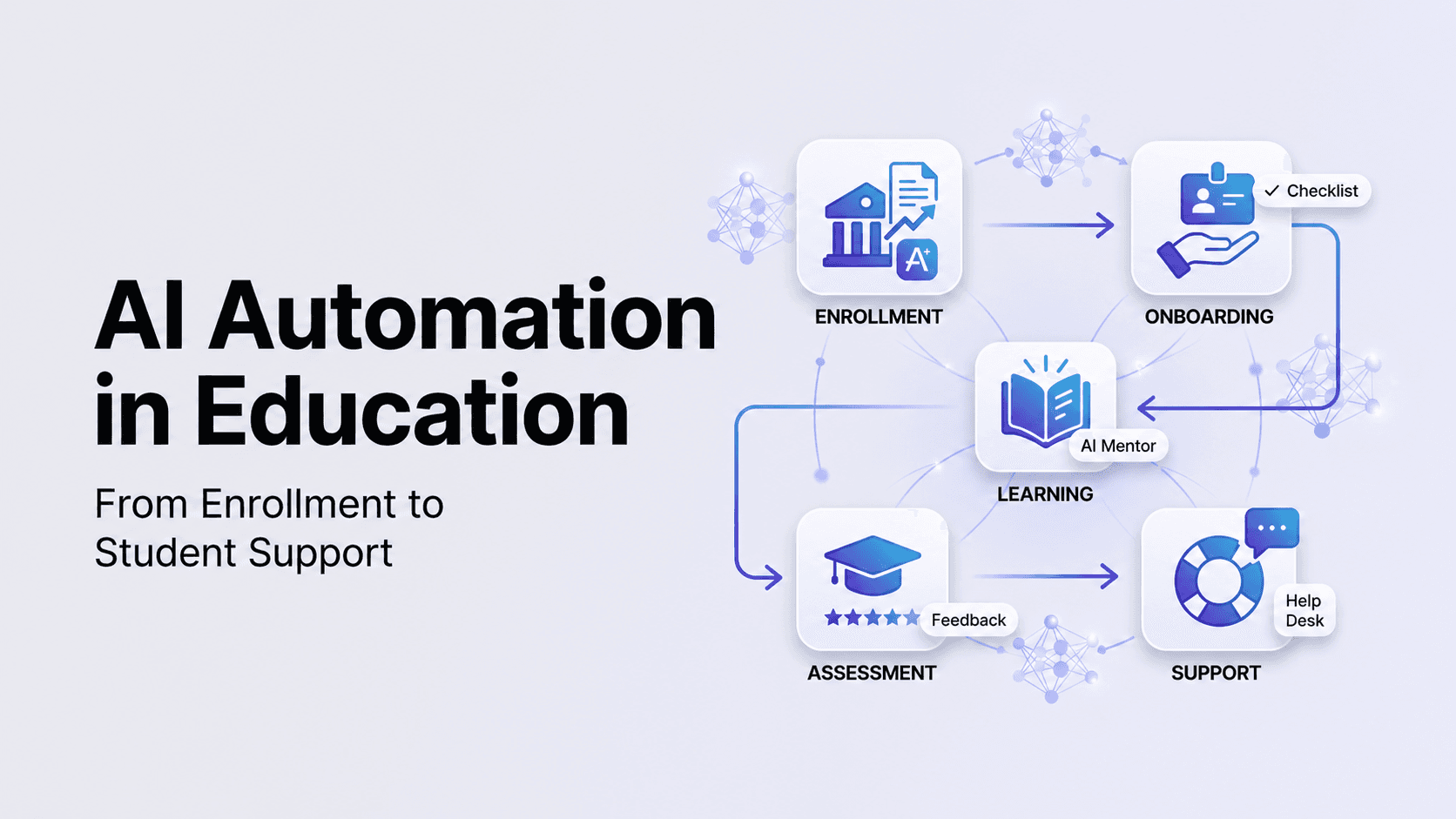
AI Automation in Education: From Enrollment to Student Support
Education institutions are overwhelmed by administrative workload enrollment processing, student queries, scheduling, grading, and compliance reporting. AI automation handles the repetitive tasks so educators can focus on what matters: teaching and student outcomes.
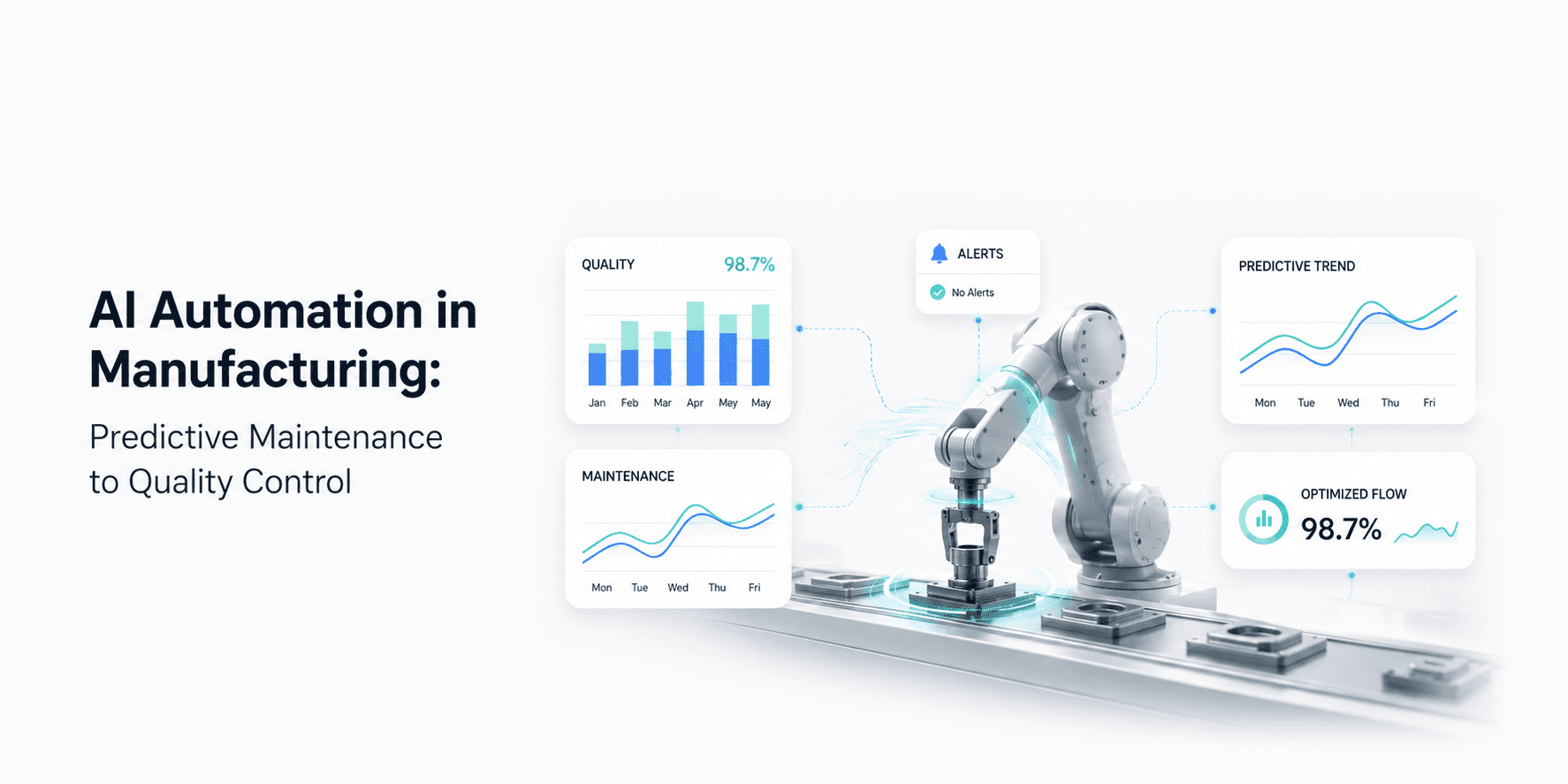
AI Automation in Manufacturing: Predictive Maintenance to Quality Control
Manufacturing operations generate massive volumes of sensor data, production logs, and quality records that humans cannot process in real time. AI automation turns that data into predictive insights, automated quality checks, and optimised production schedules.
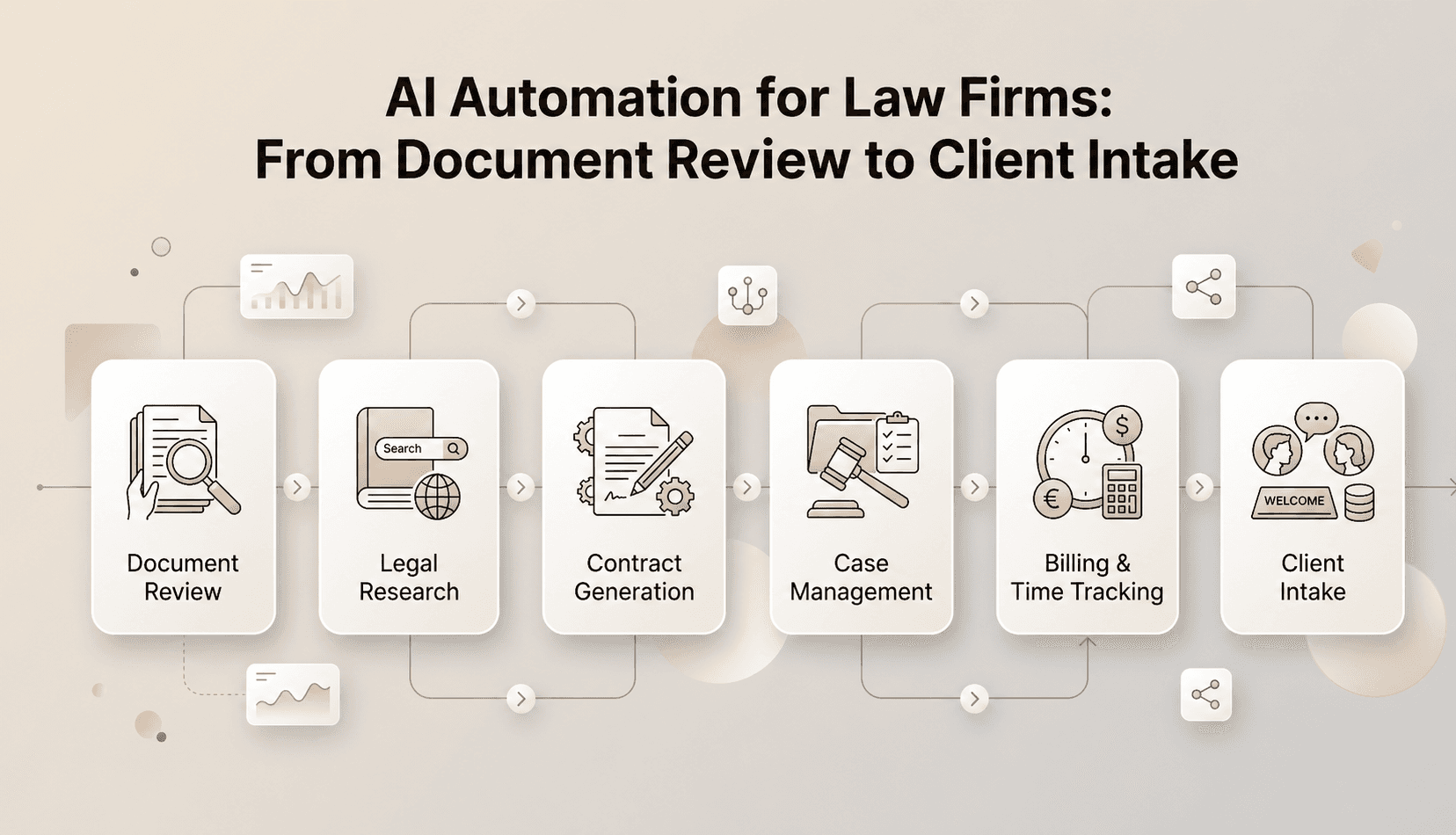
AI Automation for Law Firms: From Document Review to Client Intake
Law firms spend 60% of billable capacity on administrative work that AI can handle faster, cheaper, and more accurately. From contract review to client intake, AI automation is transforming legal operations without replacing the judgement that matters.
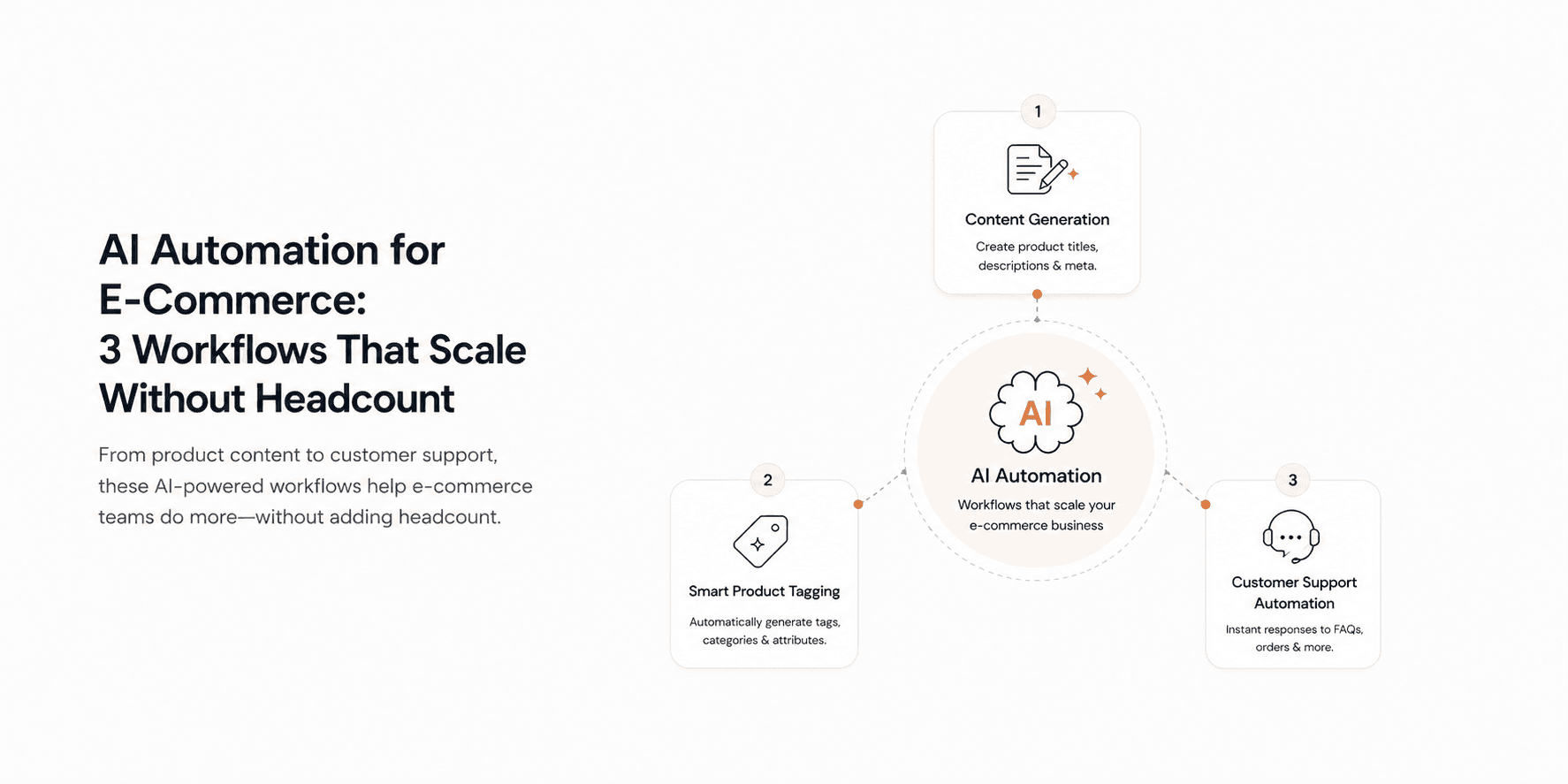
AI Automation for E-Commerce: 7 Workflows That Scale Without Headcount
E-commerce teams are drowning in repetitive operational work inventory updates, pricing adjustments, customer queries, and fulfilment tracking. AI automation handles the high-volume, low-complexity tasks so your team can focus on growth. Here are 7 workflows that scale without adding headcount.
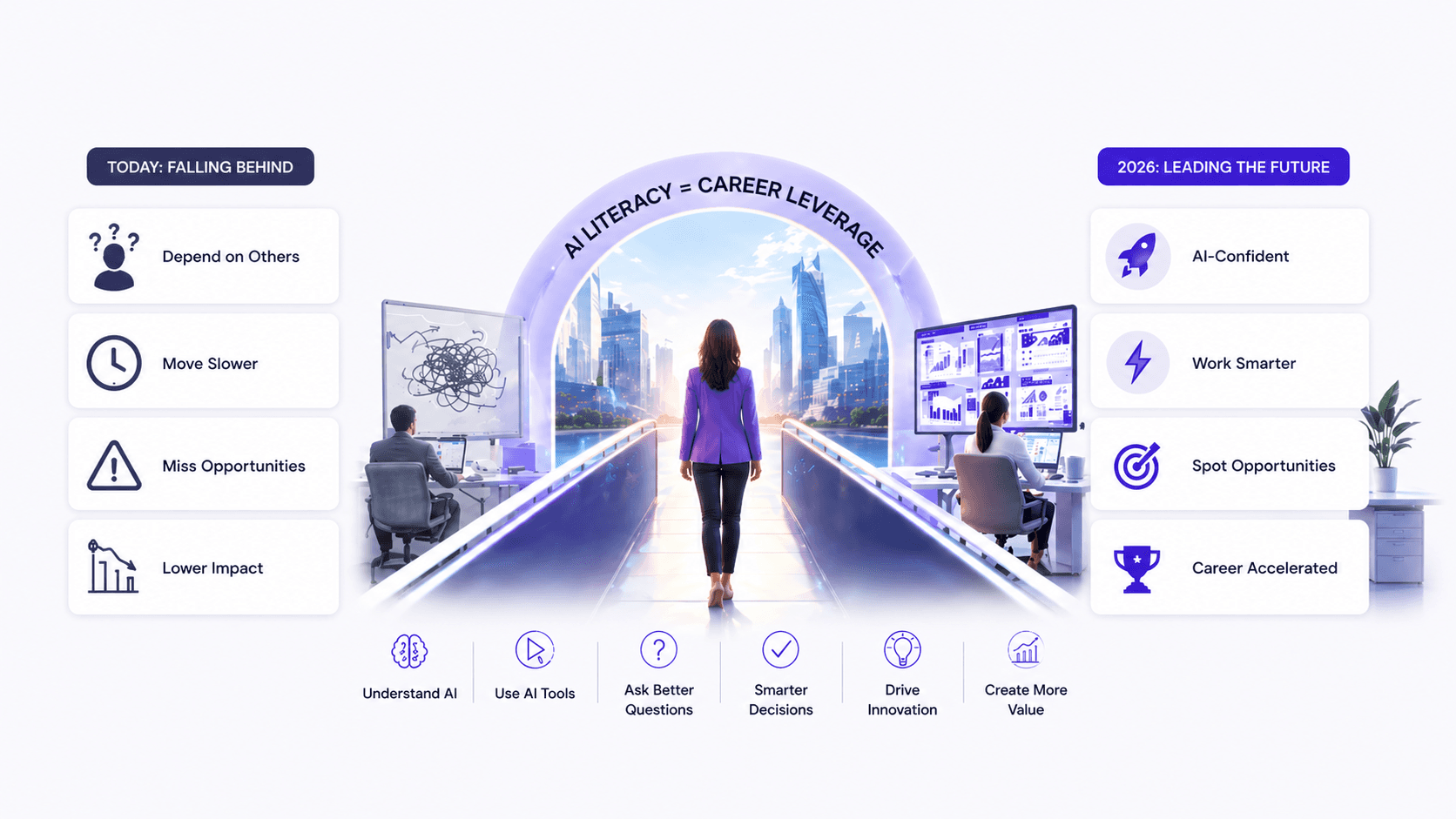
The AI Literacy Imperative: Why Every Non-Technical Professional in Tech Must Get Fluent in 2026
The conversation around AI literacy has fundamentally shifted. It is no longer about whether non-technical professionals should learn AI basics. Regulation, compensation data, and the collapse of the traditional SaaS model have already decided the answer.

AEO for US Businesses: How to Get Mentioned in ChatGPT and Google AI Overviews
Your buyers ask ChatGPT, Perplexity, and Google AI Overviews before they ever open a search bar. If your brand is not in the answer, you are not in the conversation. Here is how US businesses are fixing that.
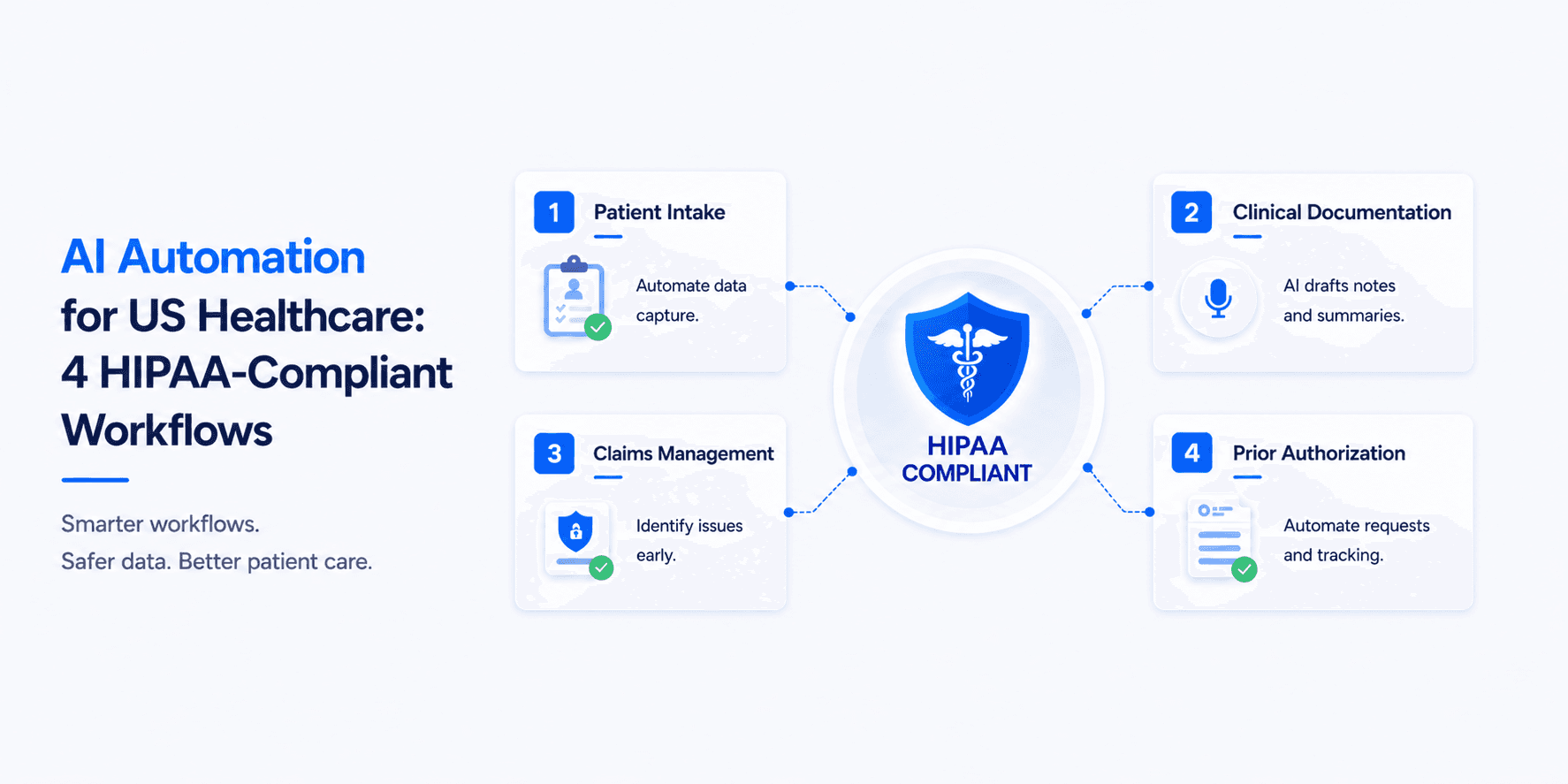
AI Automation for US Healthcare: 7 HIPAA-Compliant Workflows
US healthcare spends over $1 trillion on administration annually. AI can automate 30-40% of it without breaking HIPAA. Here are the 7 workflows that are safe to automate right now.
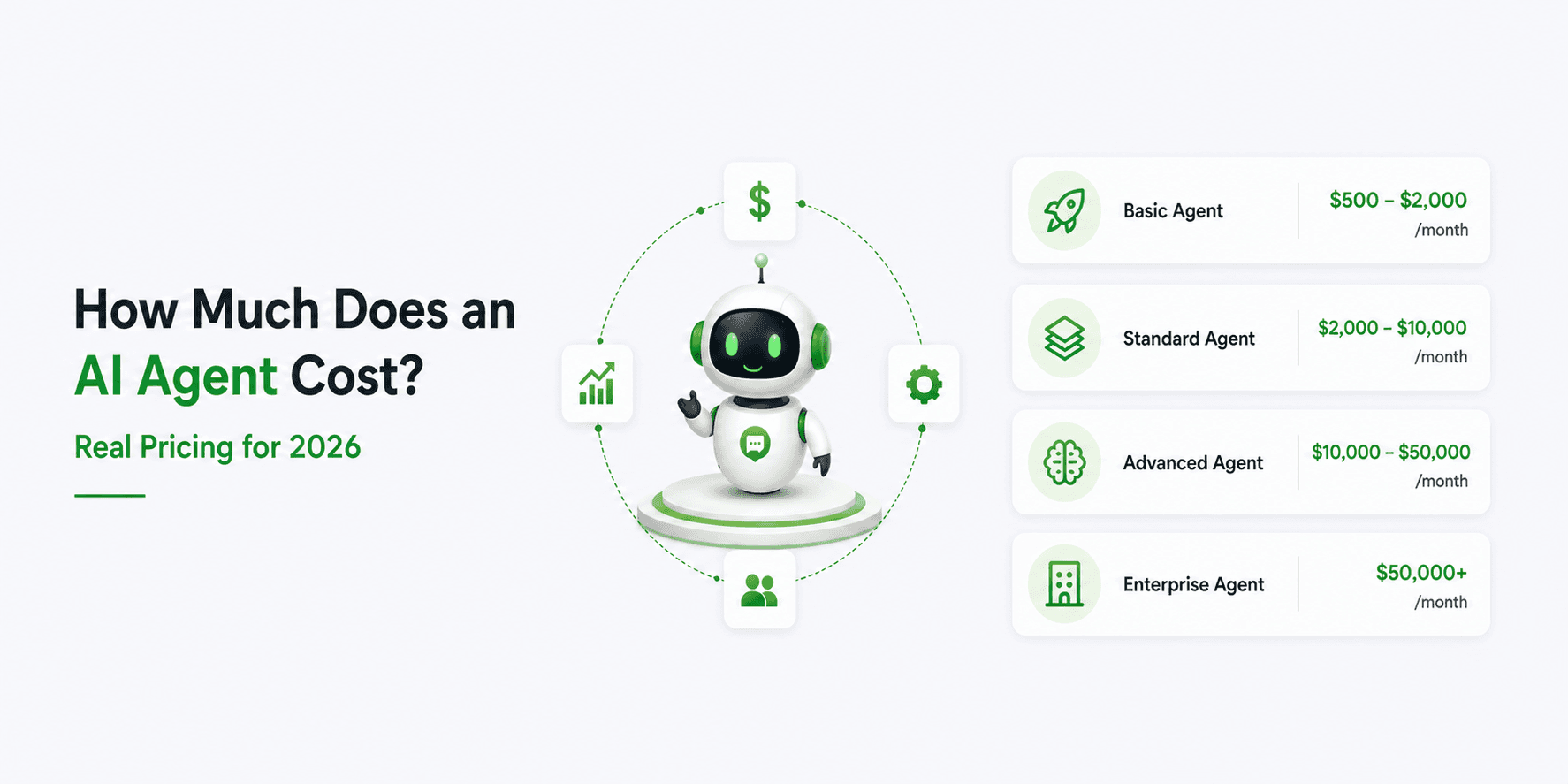
How Much Does an AI Agent Cost? Real Pricing for 2026
Businesses get wildly different AI agent quotes, from $5K to $500K. This guide breaks down what you will actually pay across three tiers, what drives cost up and down, and the ROI you can realistically expect.
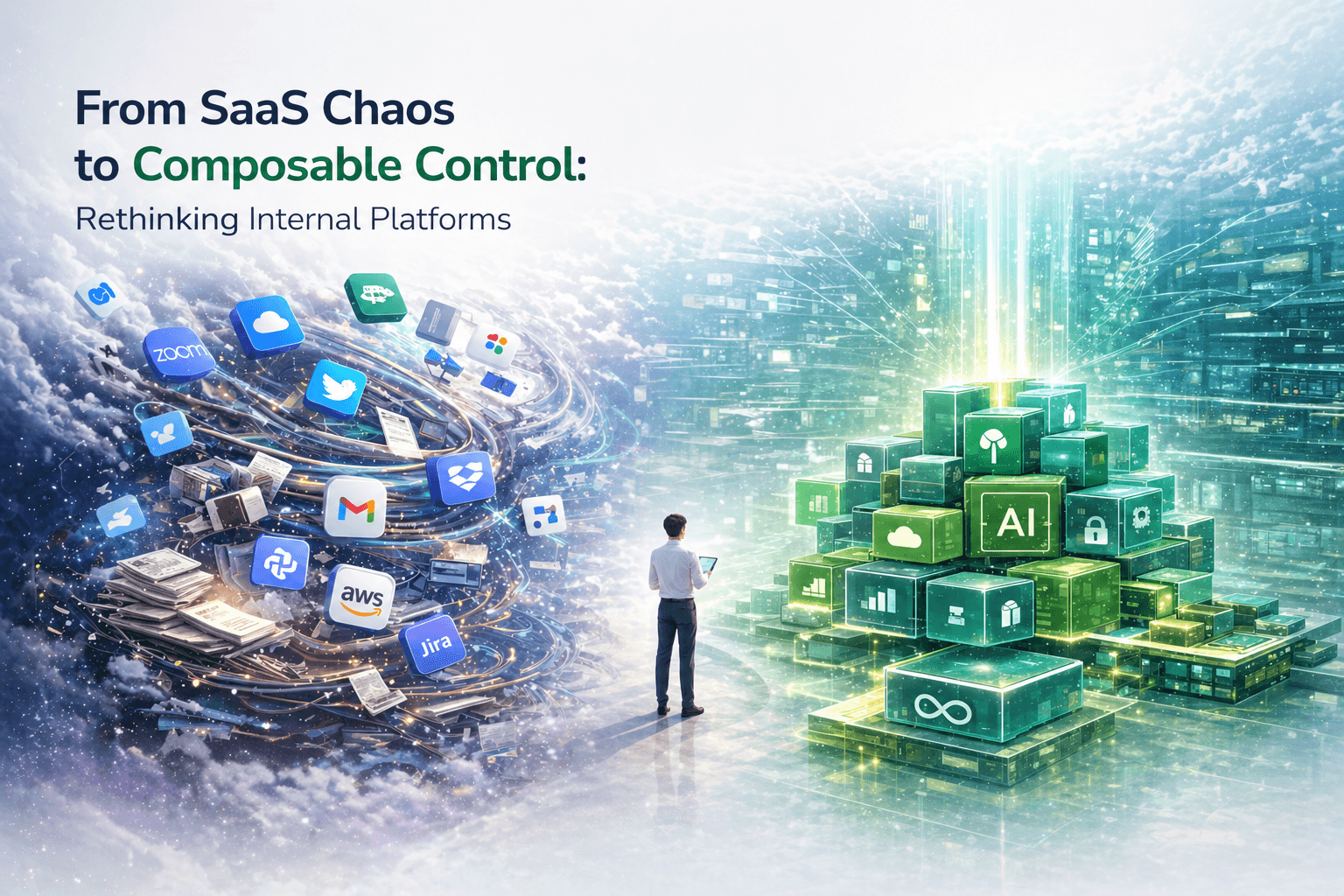
From SaaS Chaos to Composable Control: Rethinking Internal Platforms.
SaaS traps teams in someone else's roadmap. Custom monoliths trap them in yesterday's requirements. Smart organizations increasingly avoid both traps by building composable platforms: modular internal software systems that can evolve with business changes, AI integration, and team growth without requiring full rewrites every time priorities shift.
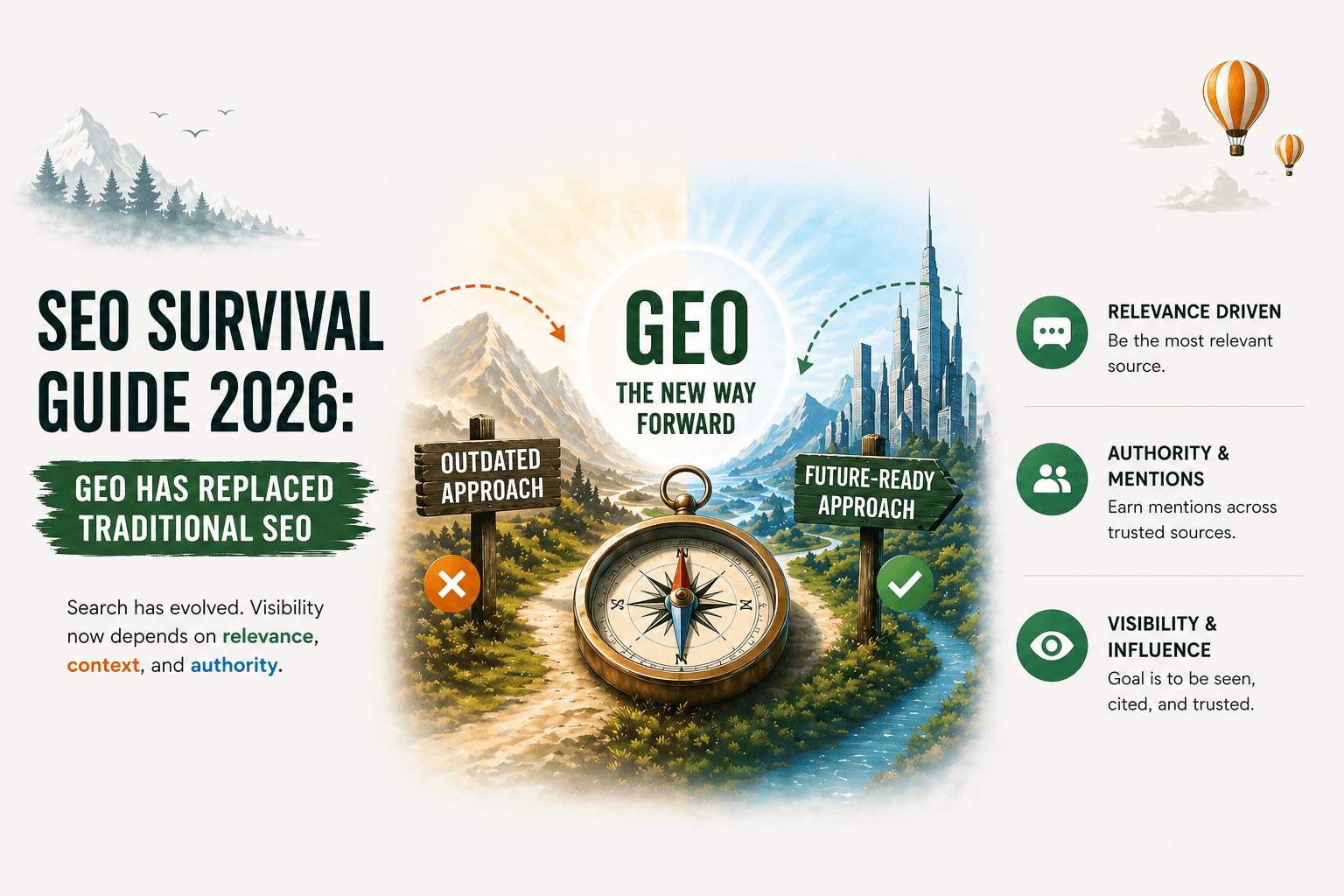
SEO Survival Guide 2026: GEO Has Replaced Traditional SEO
Generative Engine Optimization has replaced traditional SEO. It pays no attention to keyword density. It ranks based on Information Gain: does your content provide a new unique perspective, data point, or insight that the AI hasn't read elsewhere?

AI Automation in Healthcare: The Compliance-First Playbook
Healthcare AI automation requires a different approach than other industries. Patient safety and regulatory compliance aren't constraints to work around they're the foundation everything else is built on.

Cost of Building an AI Agent in the UK: Real Numbers, Not Ranges
Most UK pricing guides give you ranges so wide they're useless: £5K–£500K. This guide breaks down actual costs by complexity tier, with specific line items so you can budget accurately.
AI Automation ROI for Small Business: A Realistic Framework
Small businesses face a harder ROI calculation for AI automation than enterprises. Lower volumes, tighter margins, and fewer dedicated technical resources mean the calculus is different but often more favourable than you'd expect.
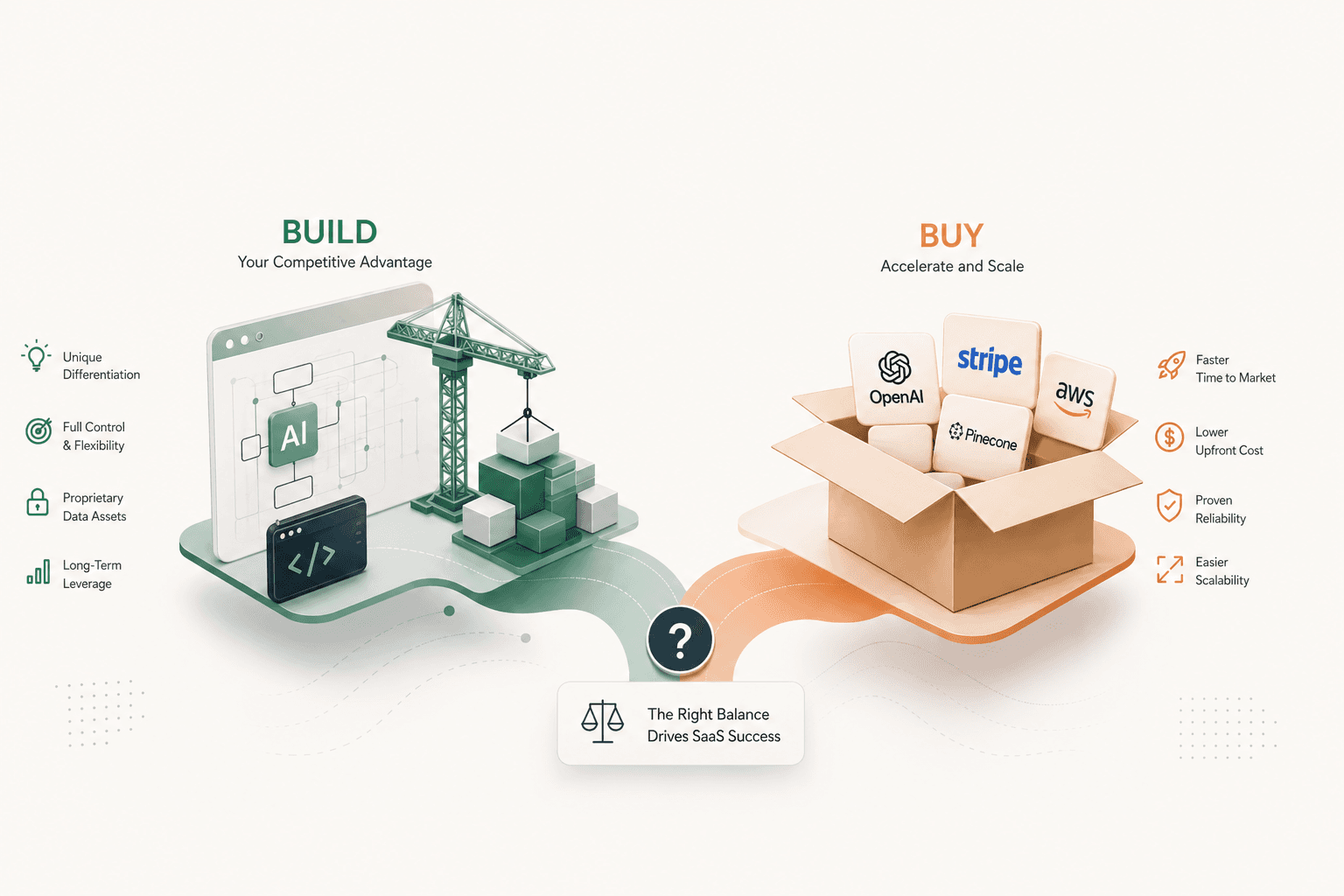
AI Development for SaaS: What to Build and What to Buy
SaaS companies that ship AI see meaningfully higher retention and faster expansion revenue. But the build-vs-buy decision for AI features is more nuanced than most product teams realise.
Microsoft Copilot vs Custom AI: The Real Question Is Fit, Not Features
Copilot is genuinely useful for individual productivity inside Microsoft 365. But enterprise AI initiatives need more than productivity nudges they need automation that integrates with your specific data, systems, and workflows.
AI Agents for Recruitment: 13 Hours Saved Per Hire
Recruitment teams waste more time on administration than on actually finding great candidates. AI agents change that from screening to scheduling to follow-up while improving the experience for applicants.
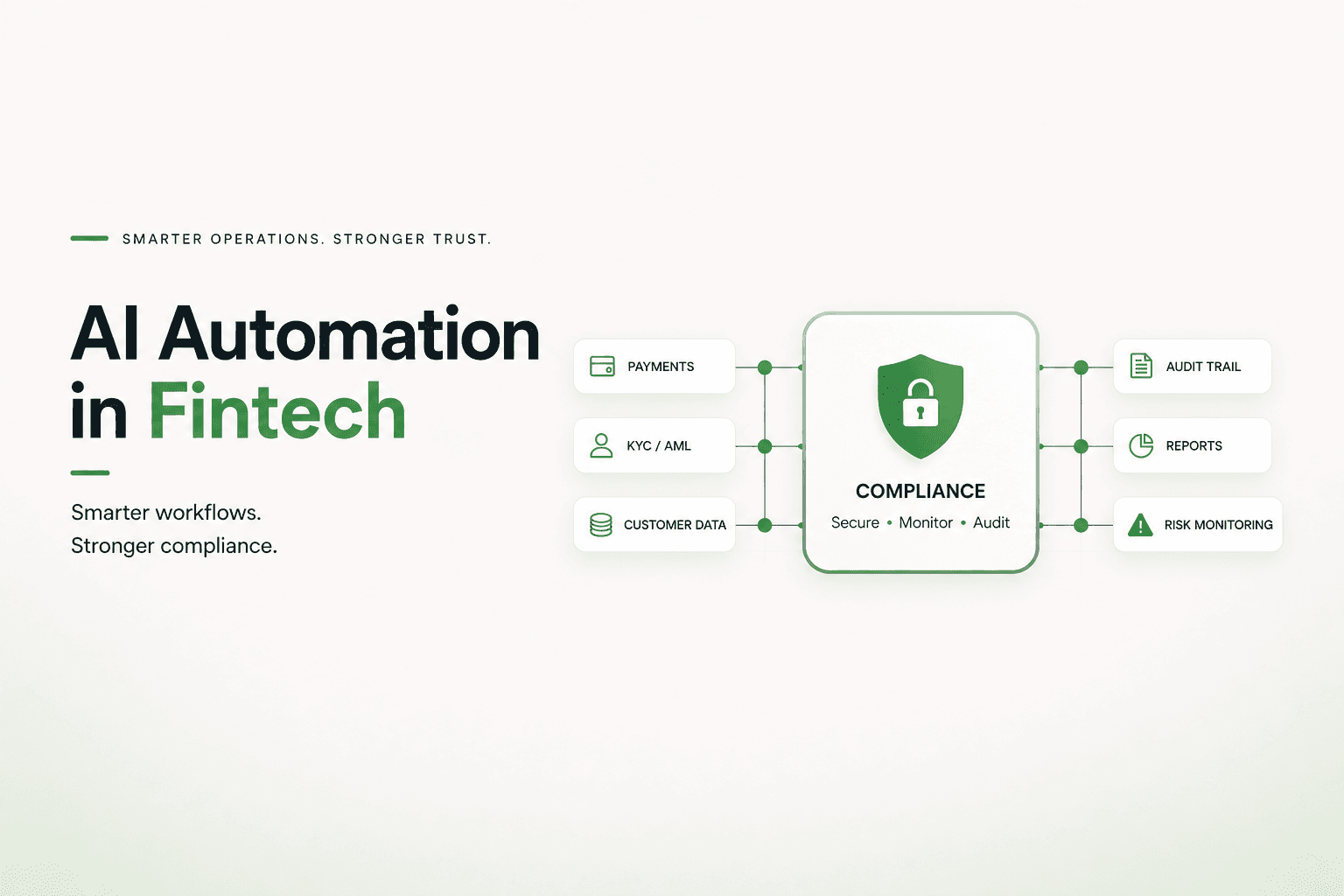
AI Automation in Fintech: Where It Works and How to Stay Compliant
Fintech automation works best when you implement it in the right order. Compliance-safe workflows first, then predictive intelligence. Here's the playbookincluding a real case study from CloudFO.
AI Automation Consultant vs Agency: Two Very Different Engagements
Consultants diagnose. Agencies build. Conflating the two leads to expensive misalignment. Here's how to choose the right engagement model for where your AI programme actually is.
How to Choose an AI Development Agency (Without Getting Burned)
Most companies get burned by AI agencies because they evaluate on the wrong criteria. Portfolio screenshots and case study PDFs don't tell you whether an agency can actually ship production-grade AI for your use case.
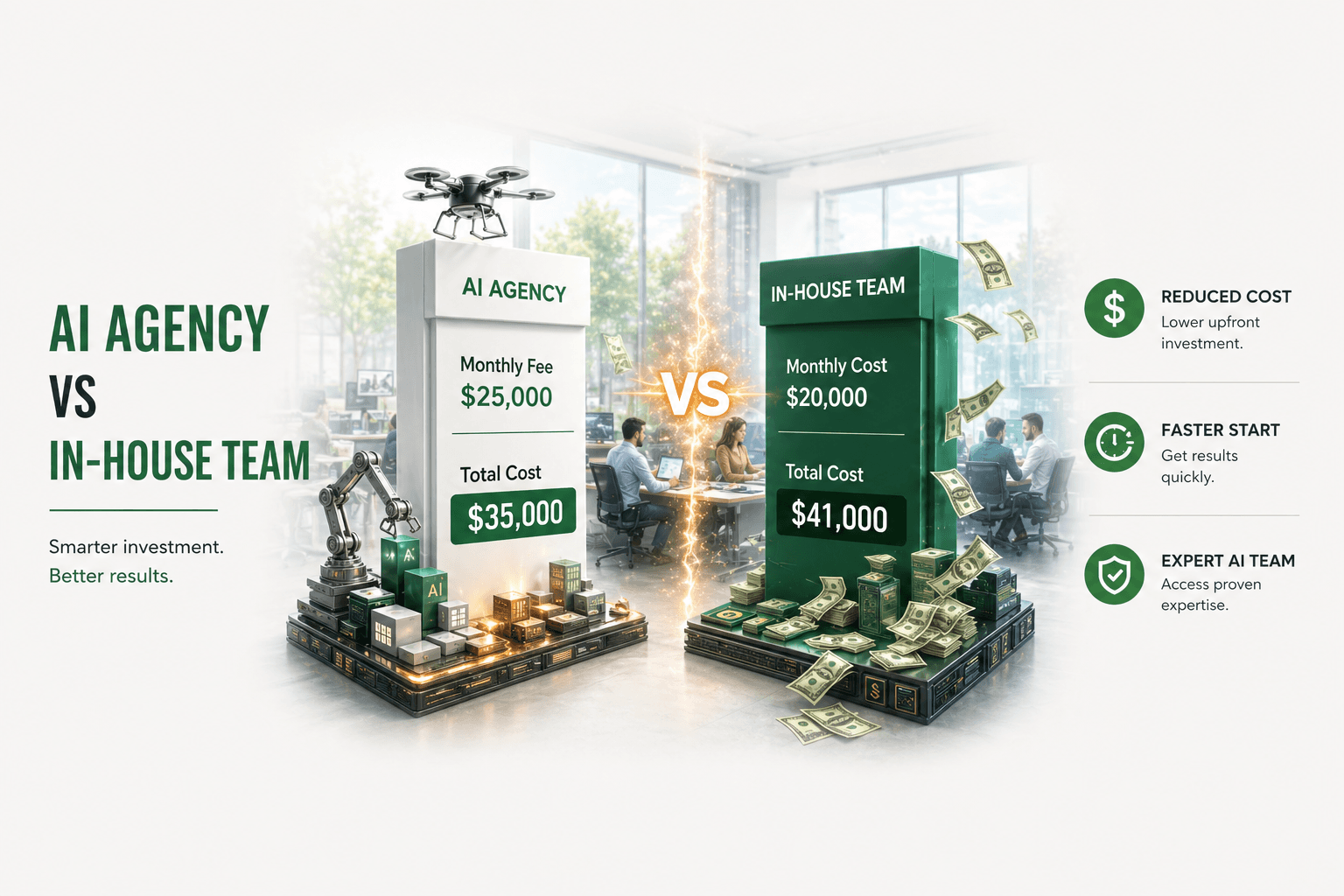
AI Agency vs In-House Team: The Real Cost Comparison
Every CTO eventually faces this question: should we hire an internal AI team or partner with an agency? The answer depends on speed, cost, and whether you need to own the capability long-term. Here's how to make the right call.
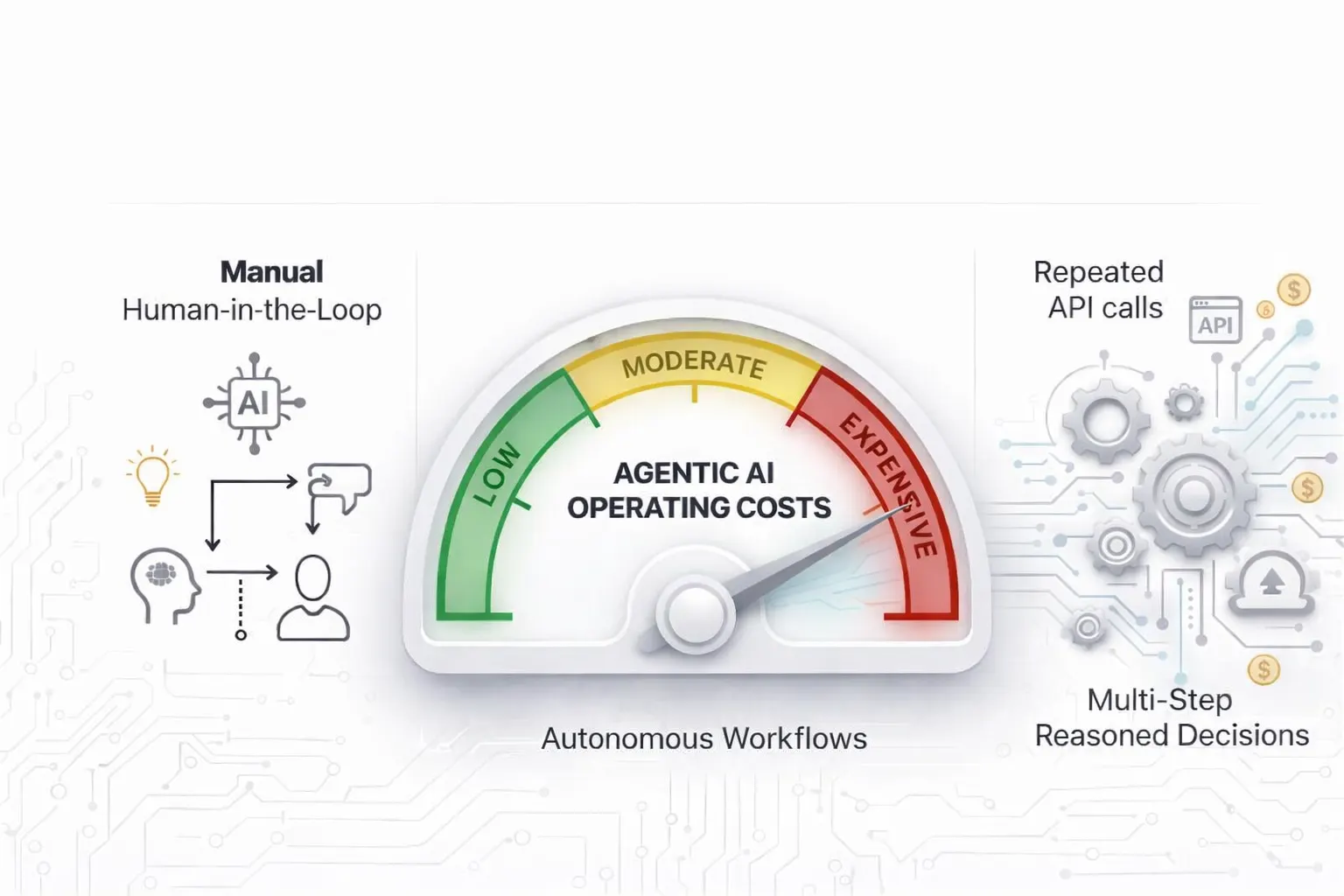
The Cost Problem in Agentic AI: Why Autonomous Workflows Get Expensive Fast
Agentic AI is a type of AI that can do more than answer questions. It can plan tasks, use tools, follow steps, check its own work, and keep going until a goal is complete. In business terms, that means it can help teams automate work that used to need multiple people, multiple systems, and a lot of manual follow-up.
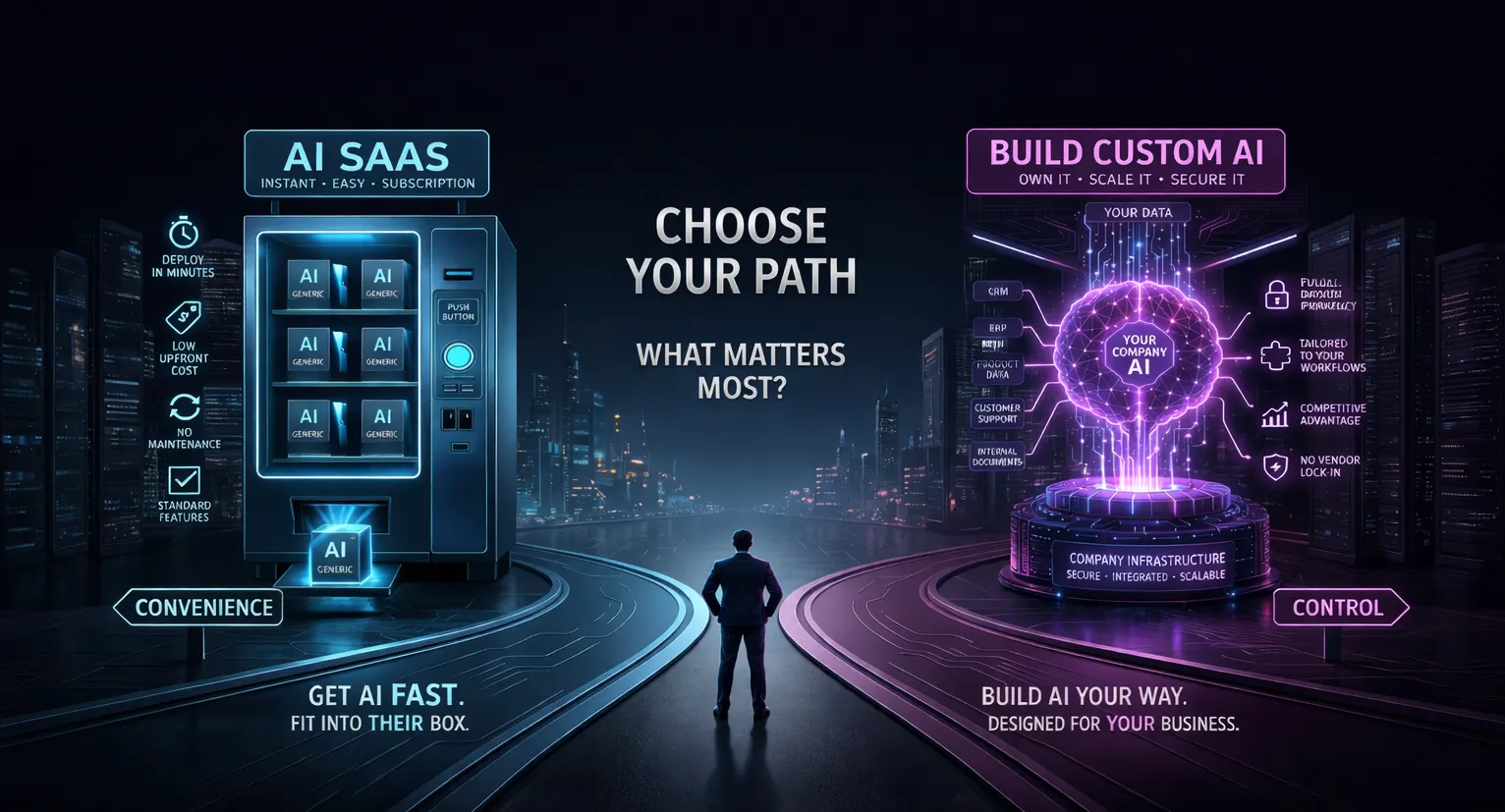
Build vs Buy: When to Build Custom Internal Software Instead of Buying SaaS
SaaS solves speed. Custom software solves fit. Everyone loves the promise of SaaS: fast setup, automatic updates, and less operational overhead. But when workflows, integrations, compliance requirements, or data models become too specific, SaaS can become a bottleneck instead of an accelerator.

Runbooks, Not Random Scripts: Building Automation Infrastructure That Doesn't Collapse at Scale
Most teams don't "decide" to build fragile automation. It just happens. A script here, a Zap there, a cron job someone set up three years ago and forgot about. At scale, that's not automation that's accidental infrastructure. This guide covers how to move from scripts to runbooks, layer in observability and orchestration, and safely introduce AI agents.

AI Automation Governance: Why Most AI Systems Fail in Production (and How to Fix It)
Most AI failures in production don’t come from bad models, they come from missing governance. Learn how to treat AI as infrastructure, avoid the "quiet failure" of model drift, and implement a framework that ensures your automation remains controllable, transparent, and reliable at scale.
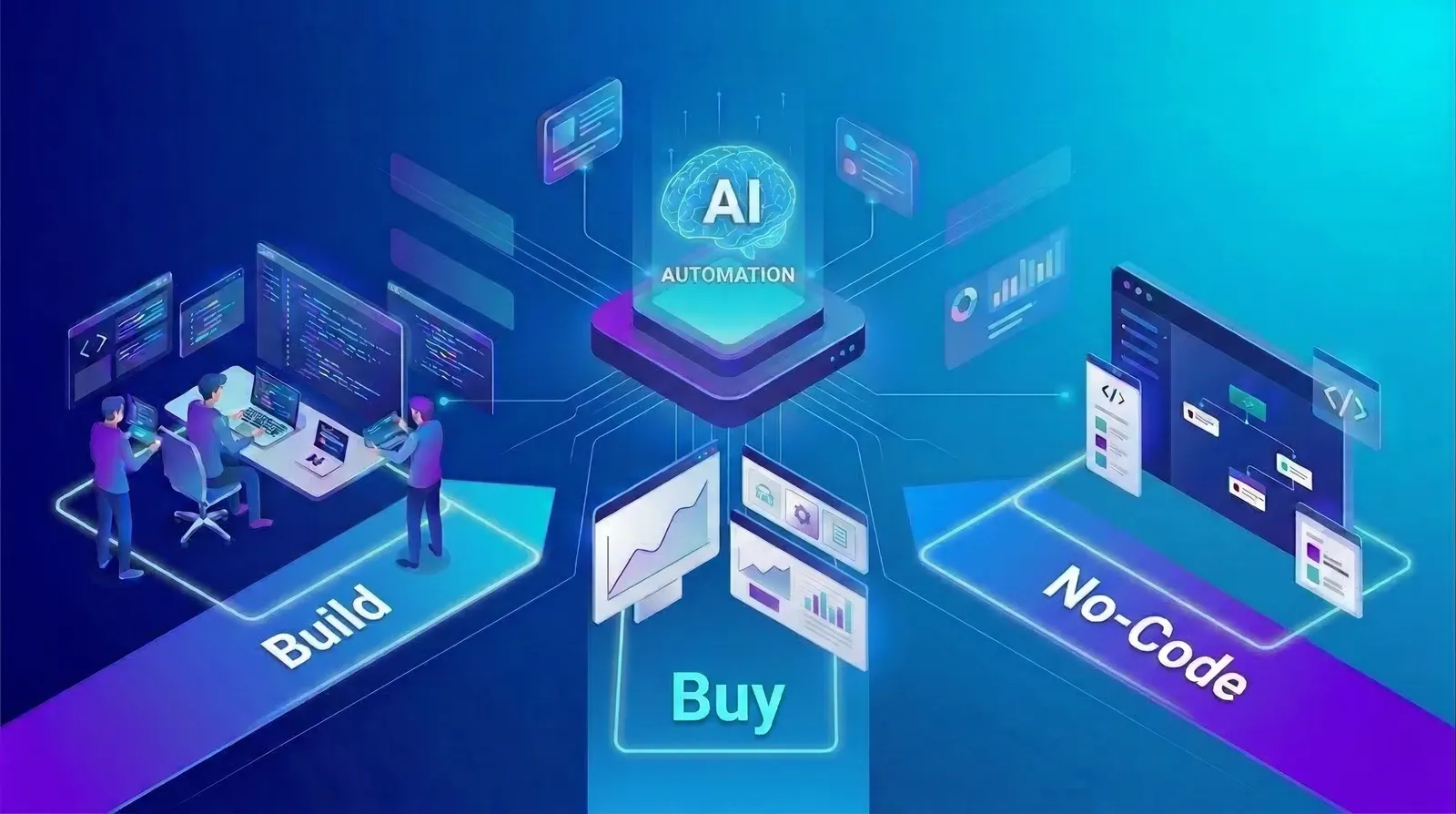
Build vs Buy vs No-Code: How Companies Choose the Right Automation Strategy in 2026
Automation has moved from being a productivity hack to a core business strategy. But should you build custom automation, buy an existing platform, or use no-code tools? Each option offers different trade-offs in cost, scalability, control, and speed. This guide breaks down real-world case studies and a practical decision framework.
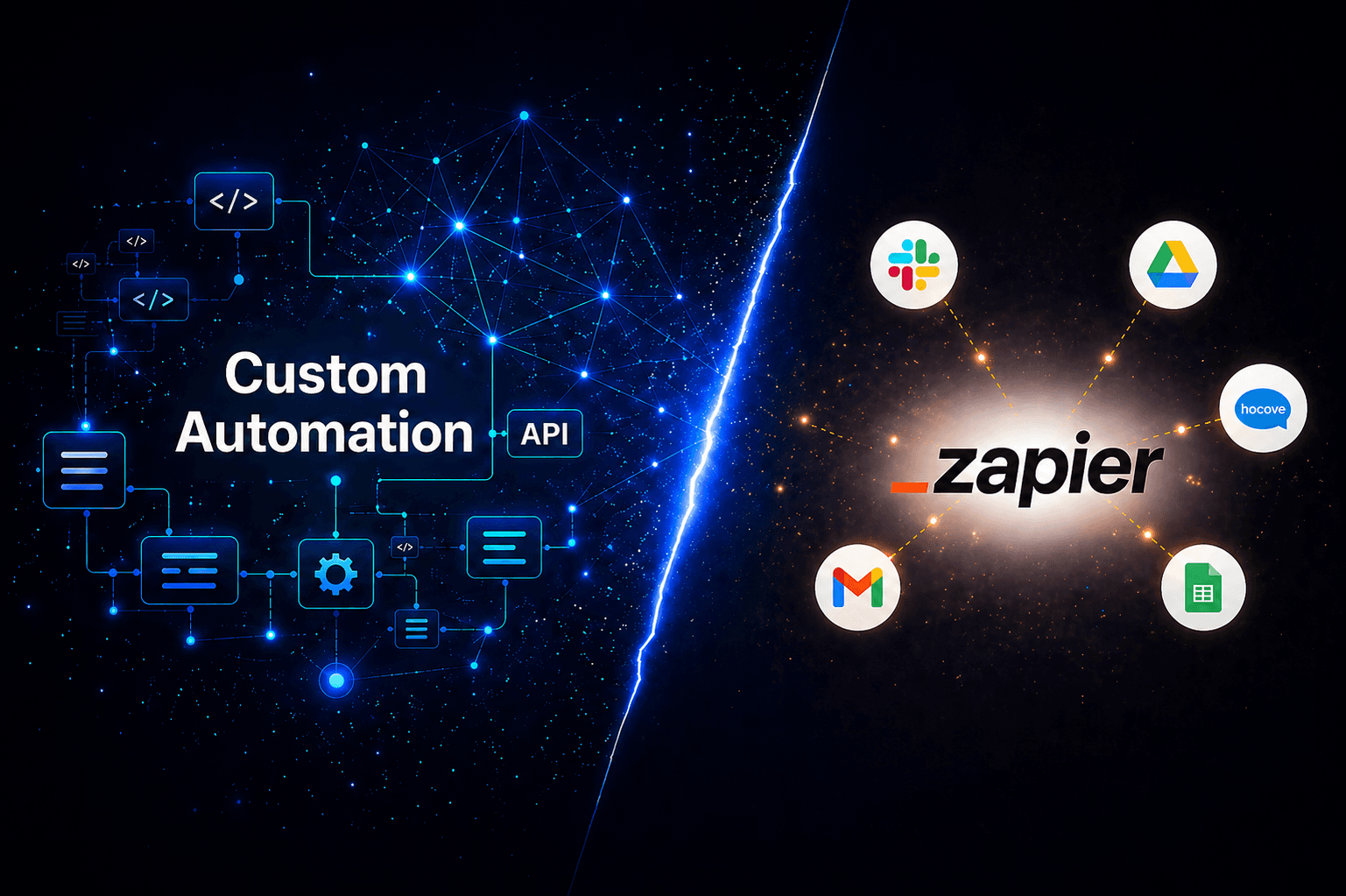
Zapier vs Custom Automation: When Should Businesses Make the Switch?
Zapier and Make are incredible tools for getting started with automation. But as your business scales, what once seemed like a time-saver can quickly become a bottleneck, a security risk, and a black hole for your budget. Knowing exactly when to switch from off-the-shelf tools to custom automation is critical for sustainable growth.

Business Process Automation in 2026: When No-Code Stops Working
No-code tools empowered business teams, but they weren't built for the complexity and volume of 2026. This guide explores the six breaking points of no-code and the shift toward intelligent, governed automation.

Why Most AI Chatbots Fail at Lead Conversion
Most businesses deploy AI chatbots expecting them to convert visitors into leads, but the reality is starkly different. The majority of chatbots fail at lead conversion because they lack contextual understanding, personalization, and strategic conversation design. This blog explores the key reasons why AI chatbots underperform and what businesses can do to fix it.
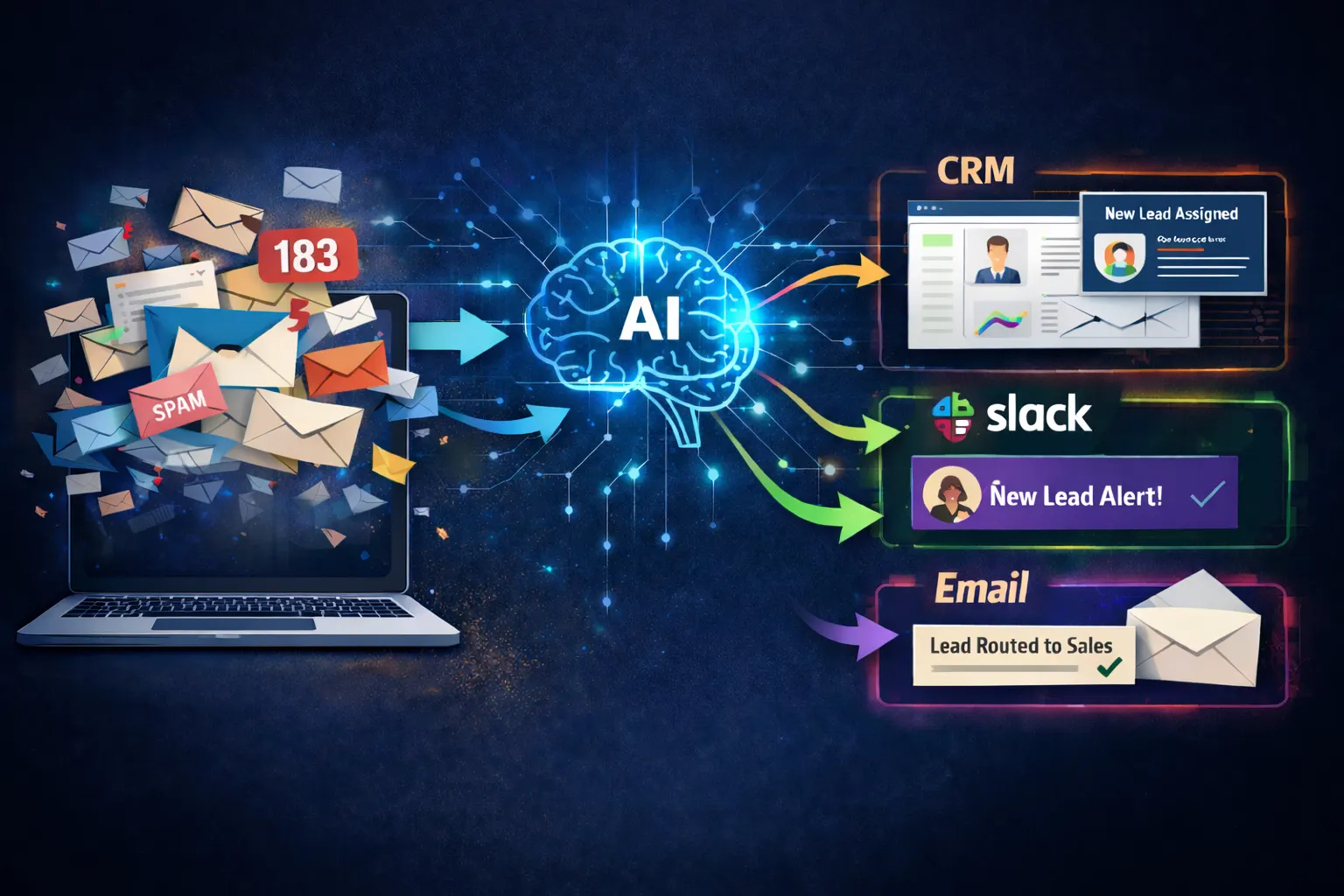
Stop Losing Leads in Email Chaos: Automate Lead Routing Across CRM, Slack & Email
Your sales team is missing opportunities while leads sit unassigned in inboxes. Automated lead routing eliminates manual handoffs by connecting your CRM, email, and Slack into one intelligent system that assigns leads in seconds, not hours.
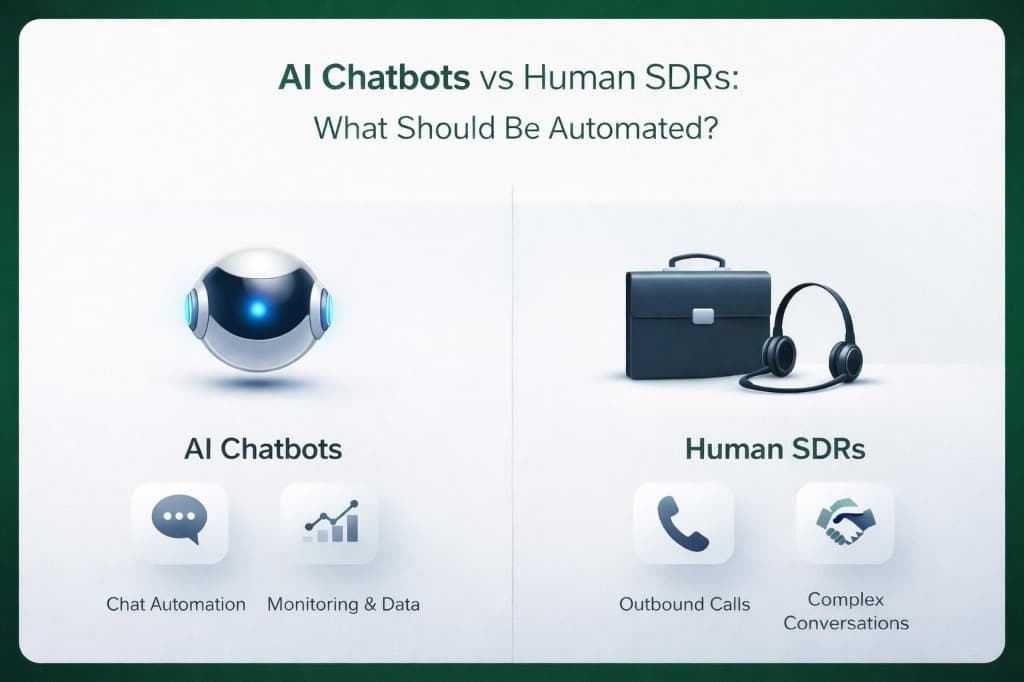
AI Chatbots vs Human SDRs: What Should Be Automated?
Modern sales teams don’t fail because of low lead volume, they fail because of slow response loops, manual qualification bottlenecks, and disconnected sales systems. The question many companies are now asking is: Should Artificial Intelligence (AI) chatbots replace human Sales Development Representatives (SDRs)?
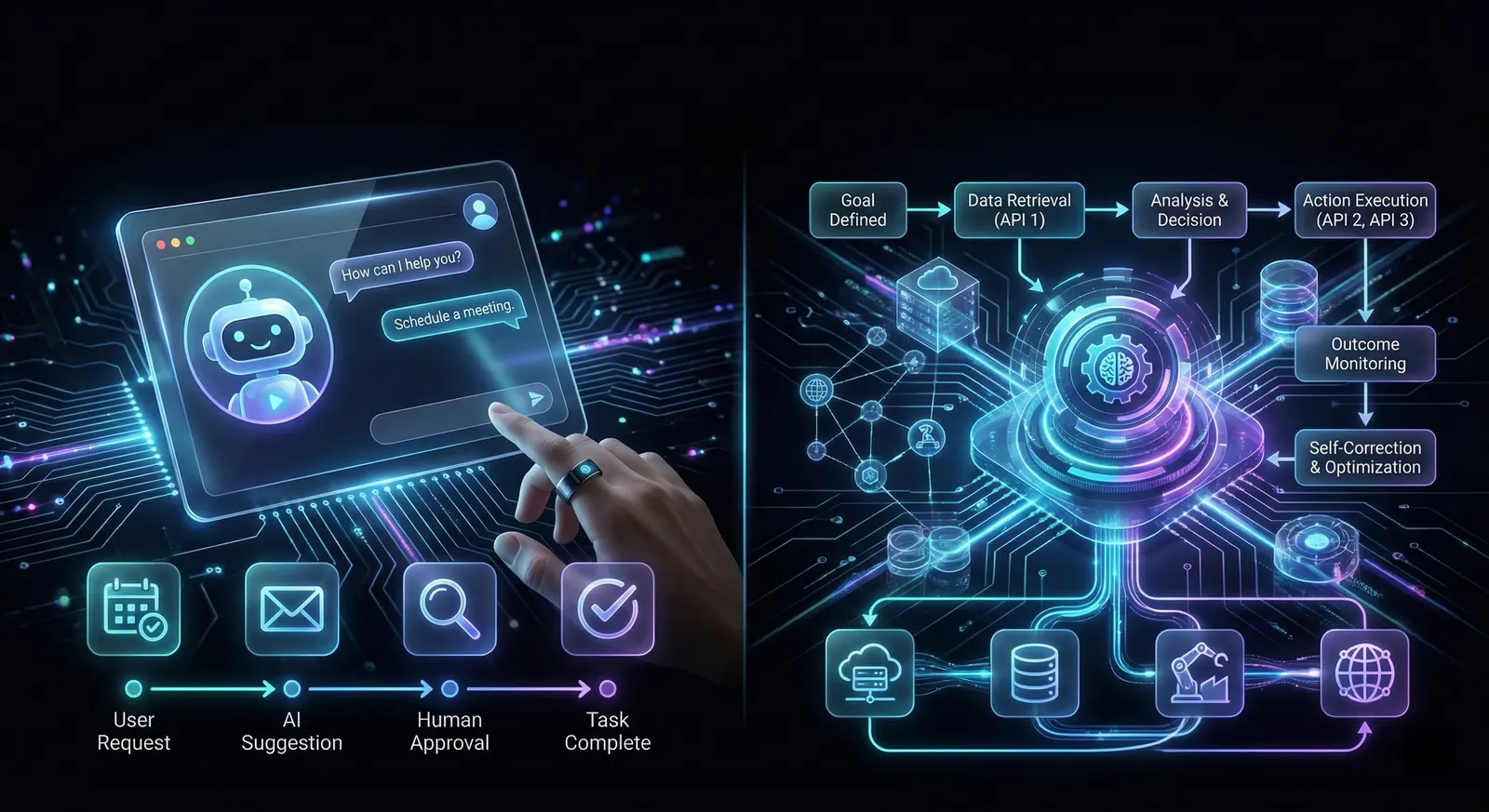
AI Agents vs. AI Assistants: Which One Does Your Business Actually Need?
The AI landscape in 2026 is dominated by two distinct categories: AI Assistants and AI Agents. While they sound similar, they work fundamentally differently, and choosing the wrong one can waste money, frustrate your team, and deliver zero ROI.
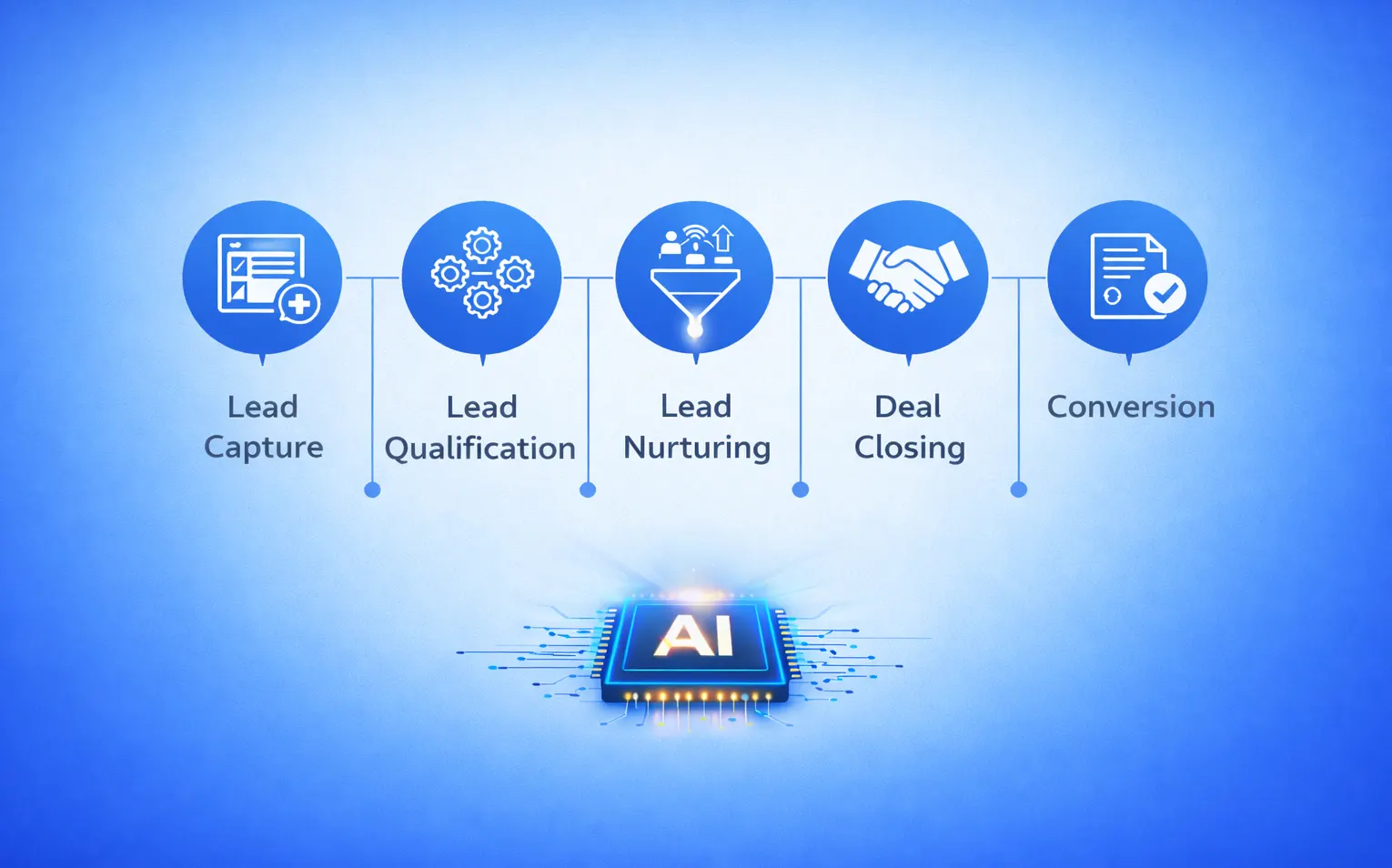
AI-Powered Lead Operations: Automating Every Step from Capture to Close
Stop managing leads manually. Build an automated system that captures, qualifies, routes, and follows up with every lead instantly.

How AI Qualifies Leads: Before Your Sales Team Talks to Them
Your sales team is burning time on leads that will never convert. While they're on discovery calls with tire-kickers, your actual buyers are waiting. AI lead qualification changes everything: analyzes 20+ data points in under 60 seconds and scores leads with 94% accuracy.
The Rise of Internal Tool Builders: Why Every Growing Company Needs One
Internal Tool Builders are the new critical role for growing companies bridging the gap between technical developers and operations teams. They build custom dashboards, automate workflows, and create internal software that actually fits how your team works. Companies with dedicated tool builders report 3x faster implementation of new processes and save an average of $180K annually.

How AI Agents Are Replacing Manual Work in 2025: (Real Examples + ROI Data)
AI agents in 2025 are autonomous software that can complete multi-step tasks without human intervention from processing customer refunds to generating financial reports. Companies implementing AI agents report 40-60% time savings on routine tasks.
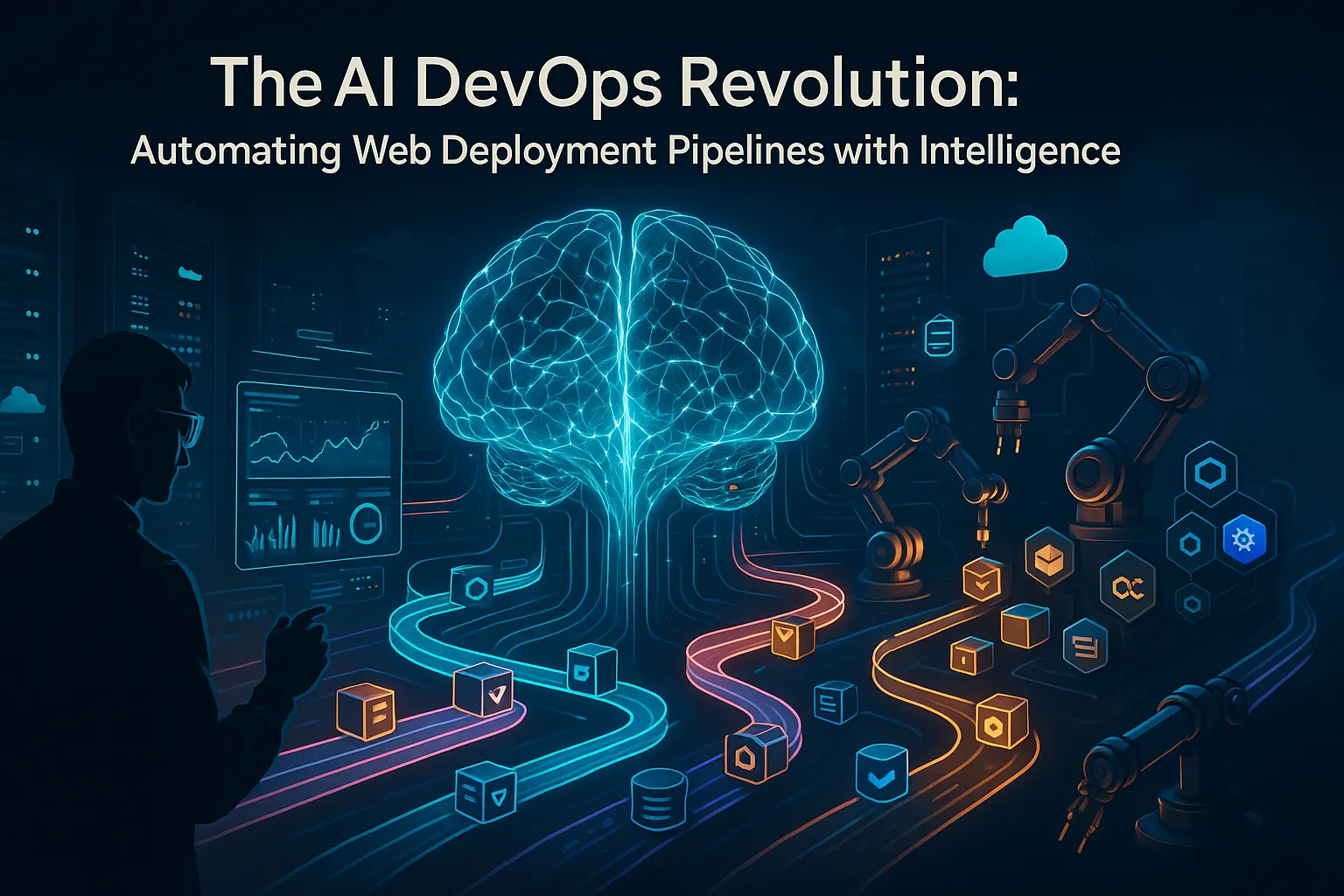
The AI DevOps Revolution: Automating Web Deployment Pipelines with Intelligence
In the high-stakes arena of web development, where user expectations demand lightning-fast updates and zero downtime, traditional DevOps pipelines often feel like relics, clunky, manual, and prone to human error. Enter AI: the game-changer that's not just assisting but orchestrating your deployments.
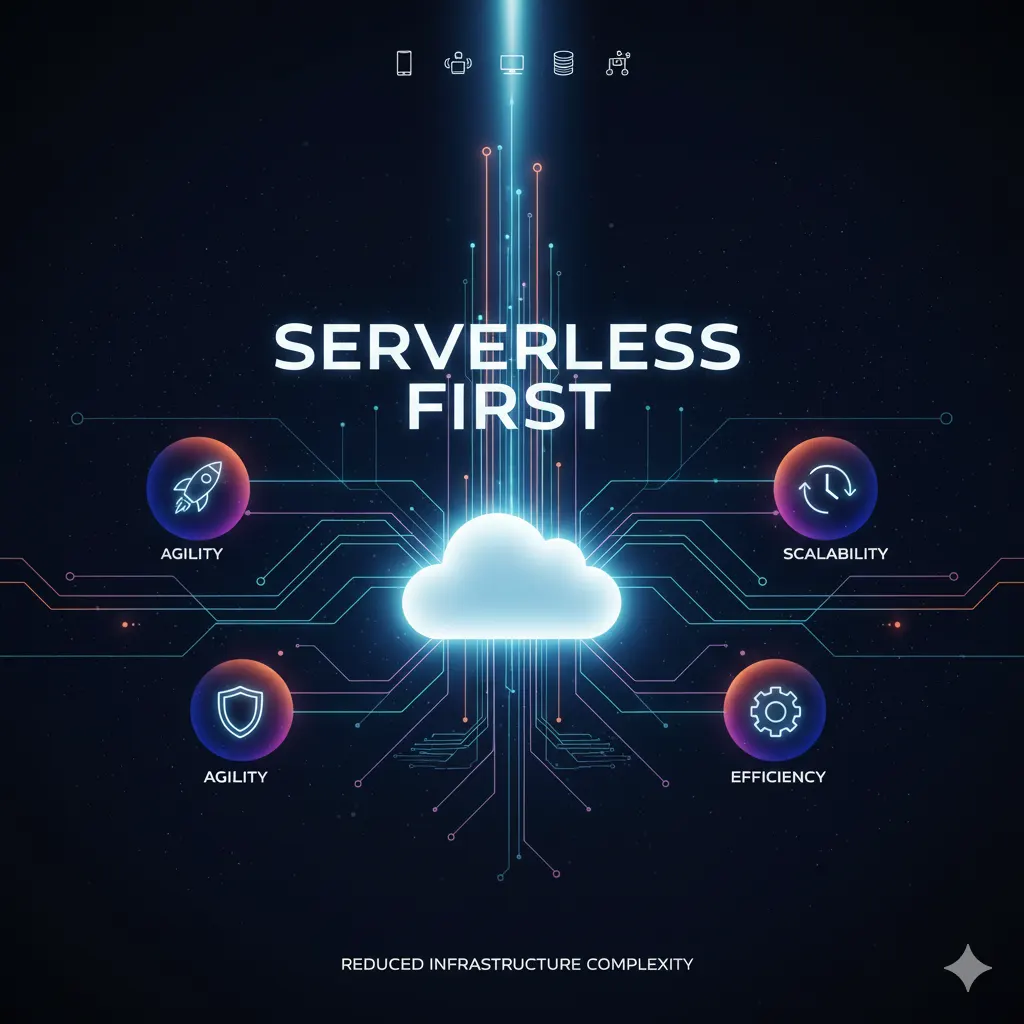
Serverless First: Rethinking Conventional Cloud Infrastructure
In 2025, the "Serverless First" architectural style is speeding up application development, allowing smaller teams to create durable, highly scalable apps that were formerly the purview of IT giants. Developers can fully avoid server provisioning, management, and patching by adopting Backend-as-a-Service (BaaS) and Function-as-a-Service (FaaS). Focus 100% on the features and 0% on the infrastructure. This is the basic core value proposition.
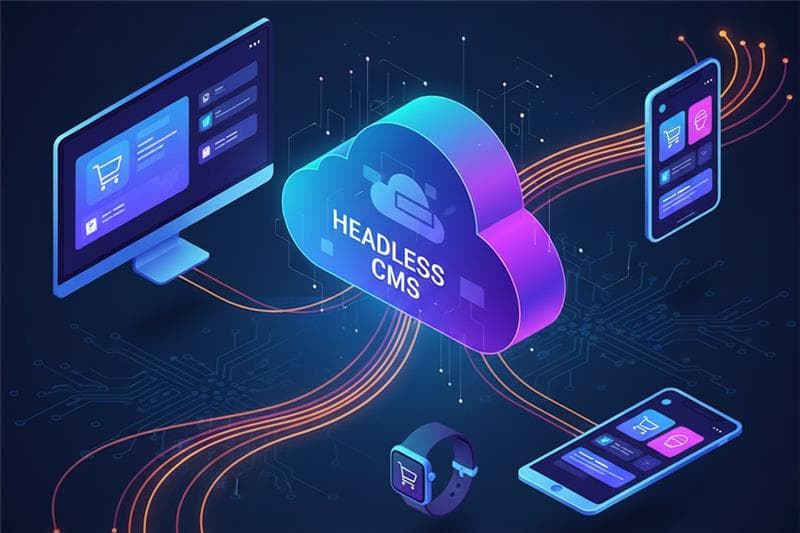
Headless CMS Showdown: Choosing the Right Platform for Scalable E-Commerce Sites
In 2025, headless CMS platforms are transforming how businesses build scalable, flexible websites, especially for e-commerce. By decoupling content management from the presentation layer, these systems deliver content seamlessly across websites, mobile apps, and other channels via APIs. This blog compares two leading platforms, a Git-backed CMS and a structured content CMS, focusing on their strengths, weaknesses, migration strategies, and a step-by-step guide to setting up a simple e-commerce site without diving into code.
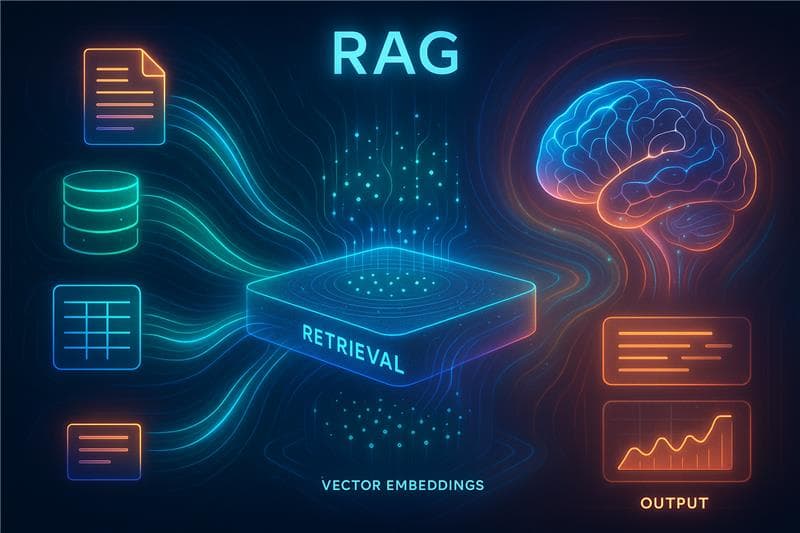
The Last Mile of Data: Why RAG is the Secret Weapon for Factual Generative BI
Generative Business Intelligence tools are fundamentally reshaping how organizations engage with their data ecosystems. The era of static dashboards and laborious manual reporting is giving way to conversational analytics, where business users can pose questions in everyday language “Why did our Q3 sales drop in Europe?” and receive immediate, narrative-driven insights. This shift represents a quantum leap in accessibility, democratizing data analysis across departments and skill levels
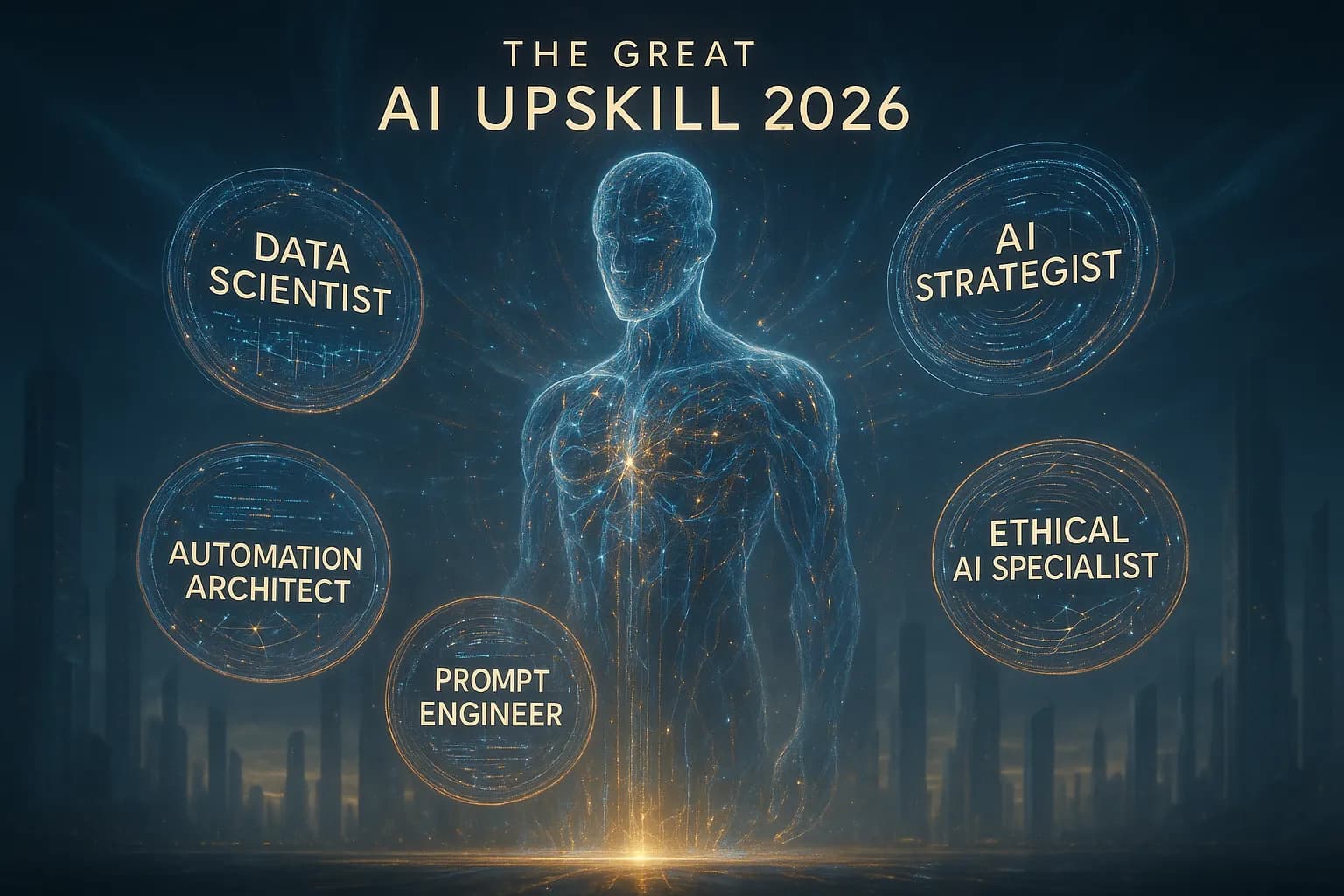
The Great AI Upskill: Five Roles That Will Define 2026
The fear that workers will be replaced by automation is frequently stoked by conversations about AI and jobs. However, people won’t be replaced by AI; rather, those who are proficient in it will surpass those who are not. Specializations that did not exist three years ago are emerging rapidly, and this elevation is happening faster than most businesses realize. Remember the 2023 joke about “prompt engineering”? Now, it’s a six-figure job.

Shadow AI: The Hidden Risk of Unmanaged Generative Tools in the Enterprise
The workplace adoption of AI is not just growing, it is already ubiquitous. Even if your organization has not formally rolled out AI tools, I can guarantee your employees are using them. They could be using ChatGPT to summarize a report, a free image generator to create images for a presentation, or an open-source assistant to help them code faster. This quiet, decentralized, or grassroots approach to AI is what is now being called Shadow AI and it is happening fast. This is not happening in opposition to your organization, but as a result of a simple truth: AI makes our work easier.

Generative BI: The Future of Decision Making in Just One Prompt
In 2025, generative Business Intelligence (BI) tools, powered by large language models (LLMs) and semantic search, enable data-driven decisions with simple, plain-language questions like “What were my top-selling products last quarter?” These tools generate dashboards, reports, and metrics instantly, making them ideal for small to medium-sized businesses. This blog explores how generative BI revolutionizes decision-making, its benefits, real-world examples, and steps to get started on a budget.

Agentic AI in Action: 3 Real-World Success Stories for 2025
In 2025, agentic AI autonomous systems that make decisions and act on behalf of users, is transforming industries. Unlike traditional chatbots, agentic AI leverages advanced reasoning and adaptability to handle complex tasks with minimal human intervention. From streamlining operations to enhancing customer experiences, these agents deliver measurable results. This blog explores three real-world success stories showcasing agentic AI’s impact in 2025, offering inspiration for businesses.

The Rise of AI Agents:Why Businesses That Ignore Them Will Fall Behind
Business moves fast, and staying ahead means adapting quickly. For years, digital transformation and analytics led the way. But a new shift is here: agentic AI. Unlike simple chatbots, autonomous AI agents take goals, break them into tasks, learn from outcomes, and act with minimal human input. Companies that ignore this will not just lag behind, they risk becoming irrelevant.